
Last updated August 27, 2026
Free in-home measure and quote - PGT, CGI and CWS impact lines compared on your actual openings, style by style
Sliding glass doors

Impact garage doorsPGTCGI
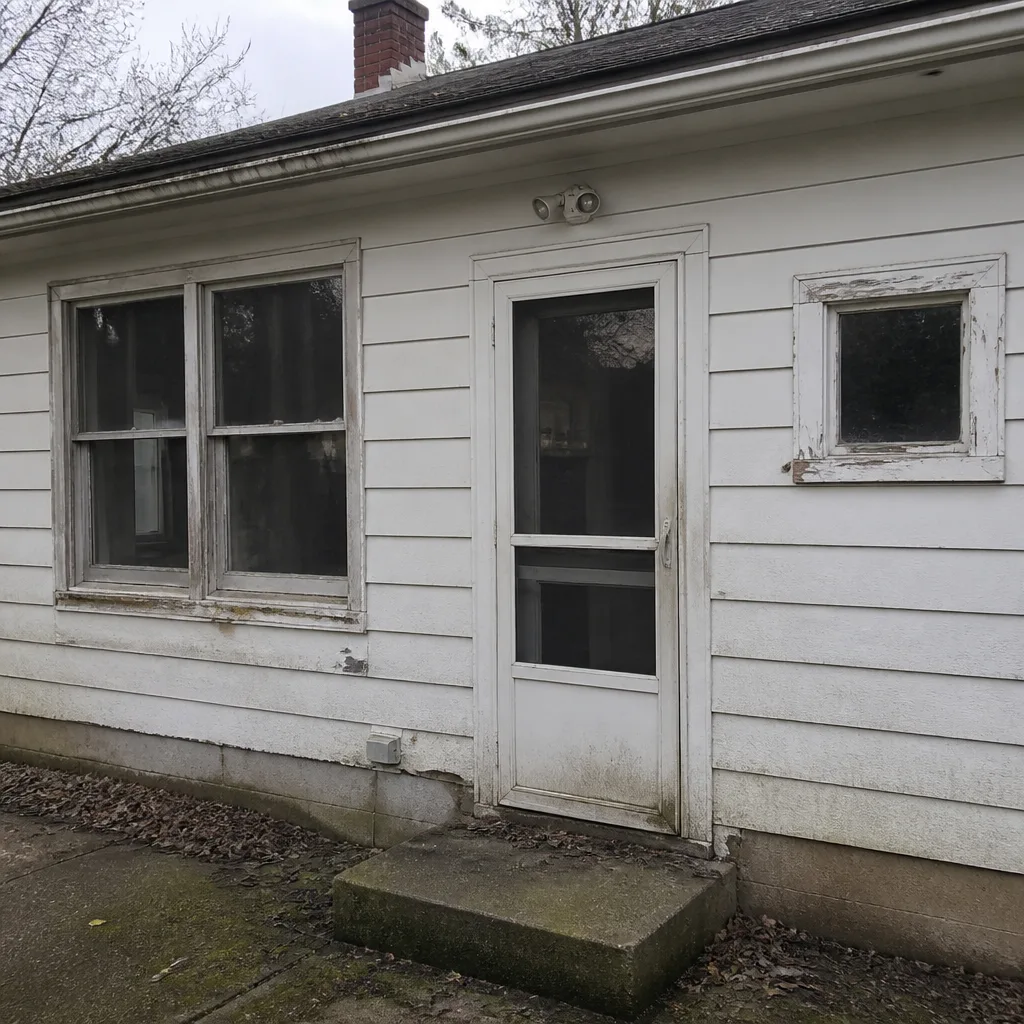 Before
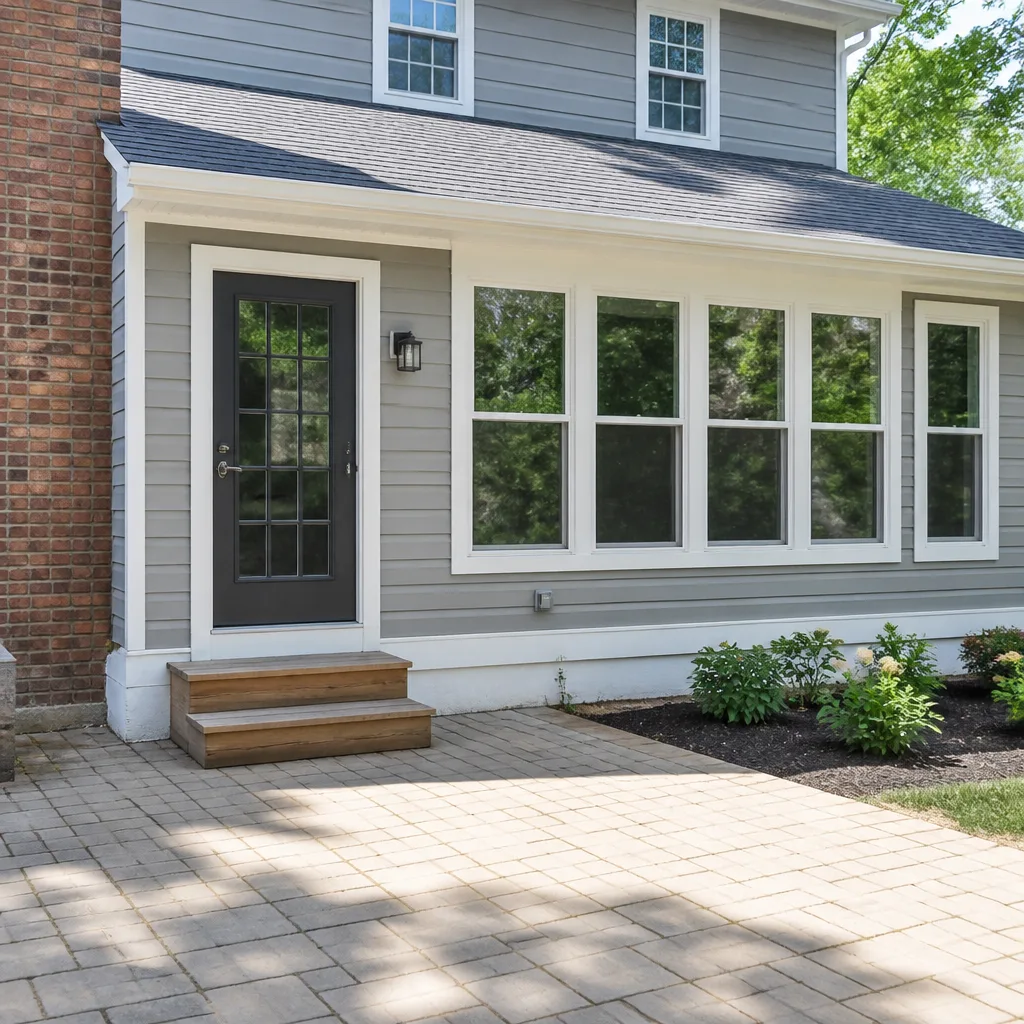 After
After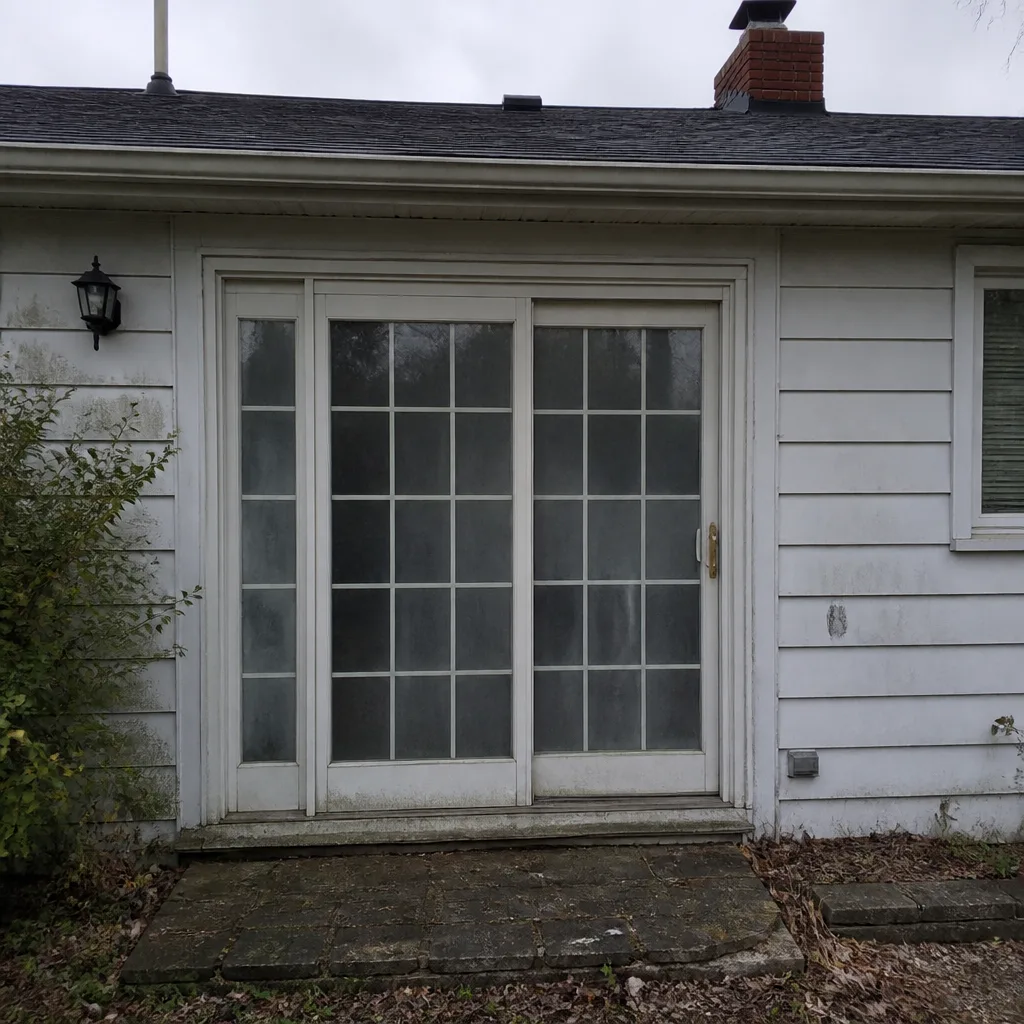 Before
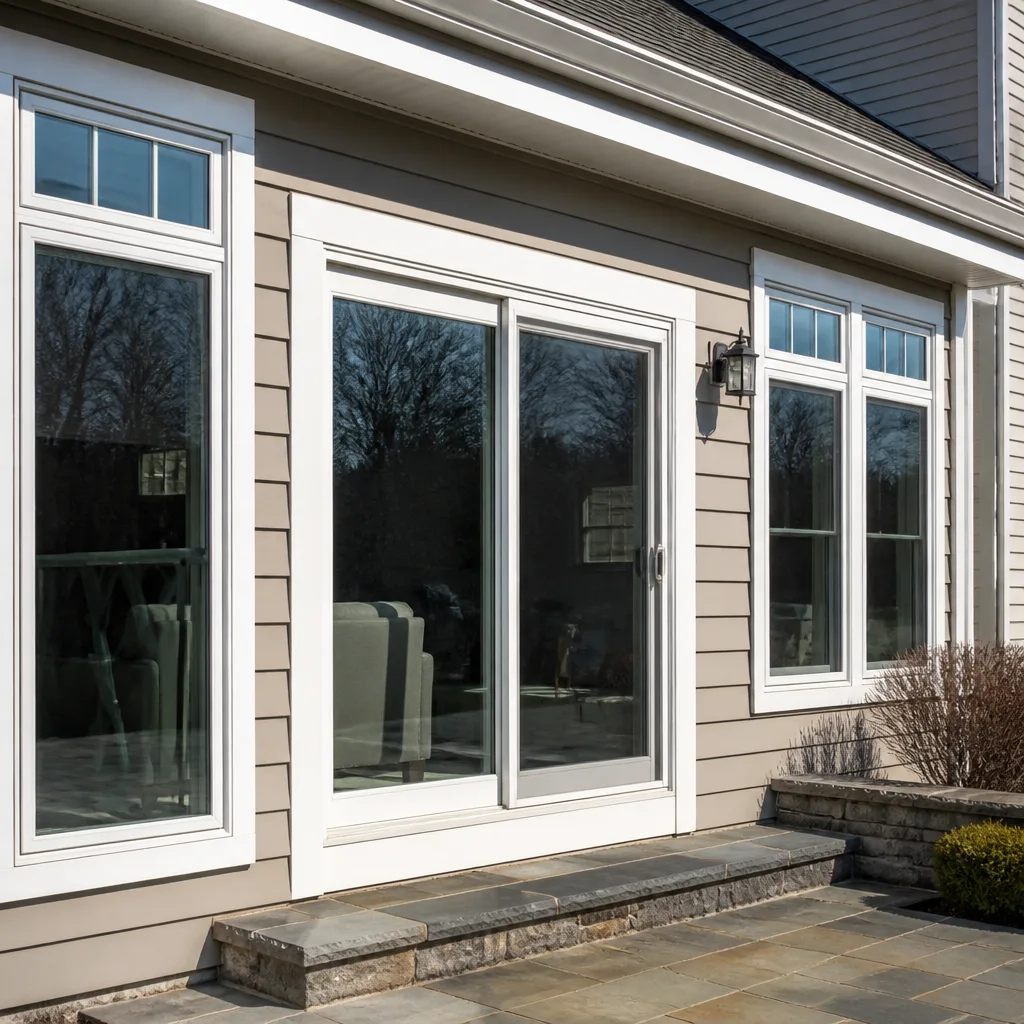 After
After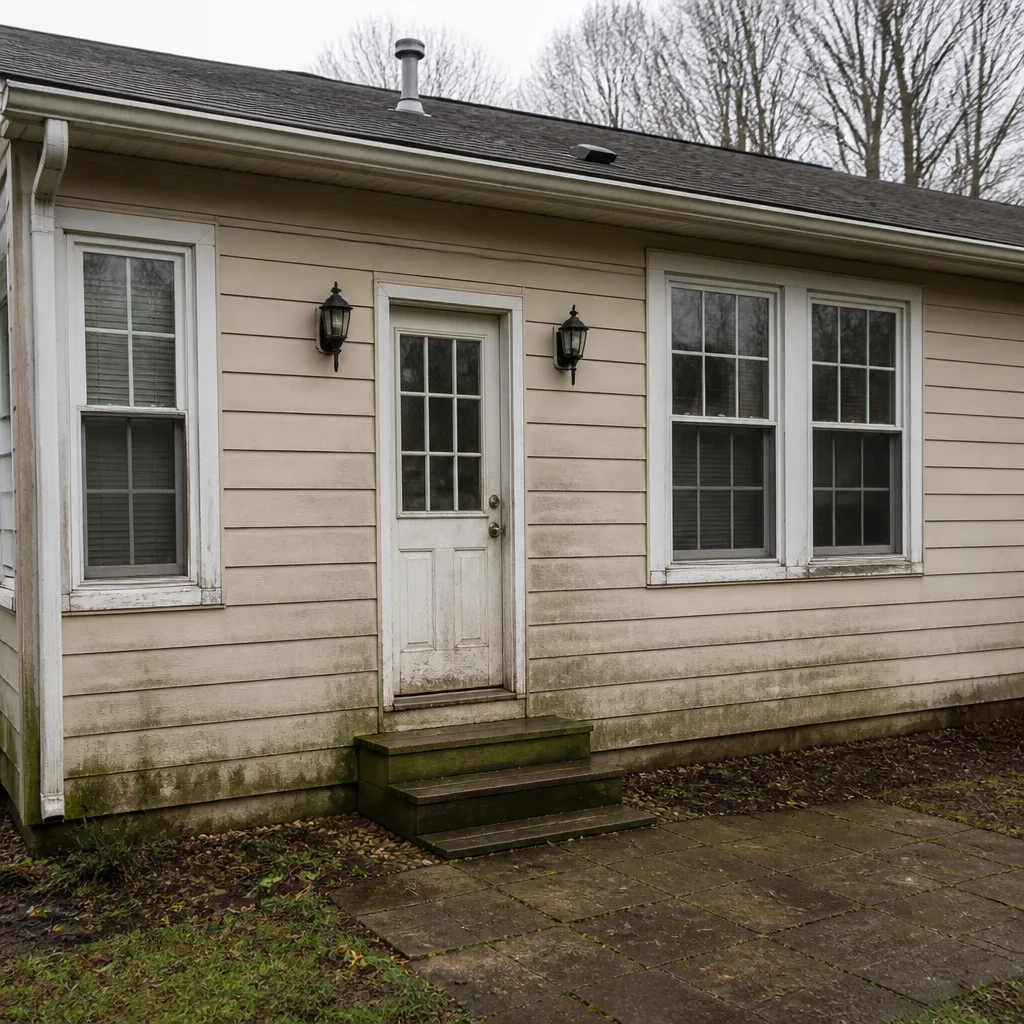 Before
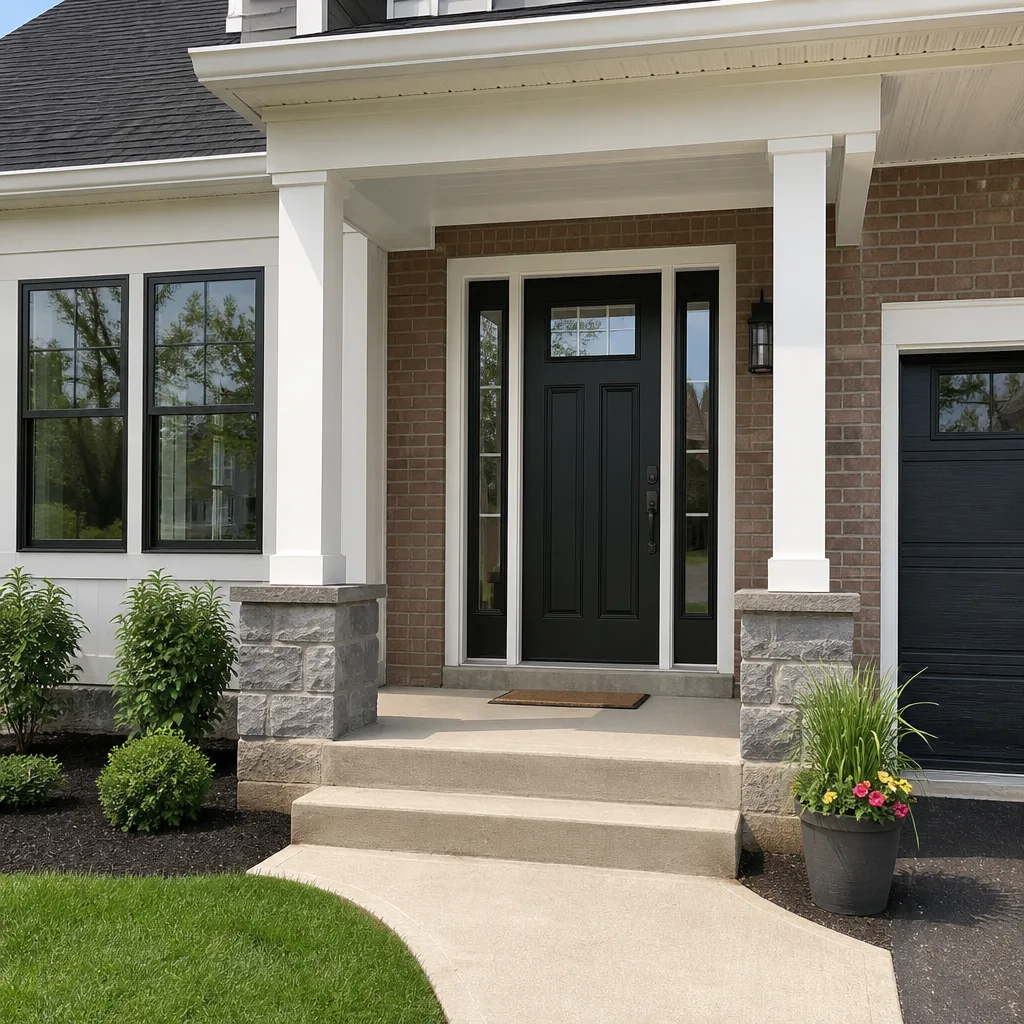 After
AfterWindows & Doors Warning Signs: A Columbus Homeowner’s Reference Guide
A window that fogs between the panes is not a cleaning problem. It is a dead insulated glass unit that has lost its argon fill and is now performing at roughly the same thermal value as a single pane of glass, costing money on every utility bill until it is replaced. Most window and door failures announce themselves months or years before they become expensive, but the signals are easy to misread because they look like minor nuisances rather than structural or energy problems. This guide-along with more guides & resources on our blog-translates the specific things Columbus homeowners see, hear, and feel into a clear diagnosis of what is actually failing and how urgent the response needs to be.
Quick Answer
The most common window and door warning signs in Columbus are fog between panes (dead seal), drafts you can feel with your hand, sticking or dragging doors, visible daylight at frame edges, and water staining under sills or thresholds. Each points to a specific failure, from a failed insulated glass unit to a rough-opening issue or foundation movement, and each has a different repair scope and cost. Catching these signs early in Columbus, Ohio’s freeze-thaw climate often means a targeted repair instead of a full replacement.
Table of Contents
- The Symptom-to-Diagnosis Reference Table
- Frame Problem vs. Rough-Opening Problem: Why the Difference Matters
- Three Signs of a Failed Installation, Not a Failed Product
- Door-Specific Signals: When a Dragging Door Is Not a Hardware Problem
- What to Document Before Calling a Contractor
- How Columbus Climate Accelerates Window and Door Failure
- Common Mistakes to Avoid
- When to Call a Professional
- Frequently Asked Questions
- The Bottom Line
The Symptom-to-Diagnosis Reference Table
We have walked into hundreds of Columbus homes where a homeowner described a “drafty window” that turned out to be a rotted sill, or a “sticking door” that was actually a foundation corner settling. The first step is not guessing. It is matching the symptom to the right failure. Here is the reference table we use ourselves.
- Fog or condensation between panes: The insulated glass unit (IGU) seal has failed. Argon gas has leaked out and moisture has gotten in. The window still works mechanically, but its thermal performance is gone. This is a glass replacement, not a window replacement, in most cases.
- Draft you can feel with your hand near the sash: Weatherstripping is compressed, worn, or missing, or the sash has shifted out of alignment. If the draft is present even when locked, the seal between sashes or between sash and frame has failed.
- Window sticks or requires force to open: Paint buildup is the most common cause we see in older Columbus homes, but swollen wood from moisture or a frame that has moved out of square can also bind the sash. If the window was fine for decades and suddenly sticks in humid weather, look at moisture.
- Rattling when wind blows or traffic passes: The window is not seating against its weatherstripping. This can be a worn balance, loose hardware, or a frame that has pulled away from the rough opening. A window that rattles is also a window that leaks air.
- Visible daylight at the frame edge (not the sash opening): This is the one homeowners miss most often. If you can see light between the window frame and the wall around it, the window was not properly sealed to the rough opening during installation. Air, water, and insects all use that gap.
- Water staining on drywall below or beside a window: Water is getting past the exterior seal or flashing. By the time staining shows on the inside, the leak has been active long enough to wet insulation and framing. This is not a caulk touch-up; it requires finding the actual entry point.
In our experience across Columbus, the fogged-pane and daylight-at-frame-edge findings are the two most commonly misdiagnosed. Homeowners often live with them for years because neither one stops the window from opening and closing.
Frame Problem vs. Rough-Opening Problem: Why the Difference Matters
When a window or door is not behaving, the first question should always be whether the failure is in the product or in the hole it sits in. The repair scope and cost are entirely different, and no honest contractor can quote the job correctly without knowing which side failed.
A frame problem is contained within the window or door assembly itself: a warped sash, a failed weatherstrip channel, a hinge that has pulled loose from the jamb, an IGU seal that has let go. These are repaired by replacing the failed component or the entire window or door unit. The surrounding wall is not touched.
A rough-opening problem is a failure in the framed hole in the wall: the header has sagged, the king studs have split or bowed, the sill plate has rotted from water intrusion, or the opening itself was framed out of square. The window or door may be perfectly fine, but it is being squeezed, twisted, or left with a gap around it. This requires opening the wall, making structural repairs, and then reinstalling the unit.
In Columbus, we see rough-opening failures regularly in homes built before 1970, especially in neighborhoods like Clintonville, Beechwold, and Berwick, where original framing has seen fifty to eighty years of central Ohio humidity swings. The soil here also moves with seasonal moisture, which affects openings on the first floor more than on upper levels.
How to tell the difference before you call: open the window fully and look at the gap between sash and frame on both sides. If the gap is even but weatherstrip is flat, that points to a frame-level seal issue. If the gap is wider on one side, or the frame itself measures out of square, the rough opening is suspect. The contractor you call should be doing these same checks before quoting anything. That is exactly what we do on every estimate, because quoting a window replacement for a structural problem fixes nothing and wastes the homeowner’s money.
Three Signs of a Failed Installation, Not a Failed Product
The distinction is important because it determines who pays. Manufacturer warranties cover defects in the product. They do not cover a bad install. When an installation fails, the labor is not the manufacturer’s problem, and in Columbus we have seen plenty of homeowners get caught in the middle with a warrantied window that still leaks because it was never set correctly.
Here are the three warning signs that point to installation failure rather than product failure:
- Water enters not through the window but around it. If water appears at the top corners of the interior trim, or drips from under the sill, the exterior flashing, caulk, or sealant was done wrong. A proper install sheds water away from the opening. A failed install invites it in.
- Gaps between the window frame and the rough framing that were never insulated or sealed. You can find these by removing the interior trim. We have opened trim in Columbus homes and found daylight, fiberglass batts stuffed crooked, or nothing but a thin line of caulk between the frame and the outside air. This is not a product defect. This is an installer who moved too fast.
- The window operates fine in spring and fall but binds or leaks in summer and winter. In Ohio, seasonal movement is normal, but a properly installed window tolerates it. If a window grows hard to open every July and drafts every January, the unit was likely installed too tight against the rough opening without allowance for expansion, or it was shimmed incorrectly.
This is why we register both manufacturer warranty layers in writing and back every job with our Done Right Promise under The Keystone Standard. If a window was not set correctly on day one, the failure shows up fast, and we operate on the founding rule: if the pane is not true, the job is not done.
Door-Specific Signals: When a Dragging Door Is Not a Hardware Problem
A door that starts dragging at the latch corner in July, or one that suddenly will not latch without lifting the handle, is rarely a hardware issue, as covered in The Complete Door Installation Guide for Columbus Homeowners. Hinges do not wear out that fast. What happens more often in Columbus is that the floor or the framing has moved, or the door slab itself has absorbed enough moisture to warp.
We have seen this pattern enough times to know the common causes:
- Foundation or slab movement: Columbus sits on clay-heavy soil that swells in wet seasons and shrinks in dry ones. When a corner of a foundation settles even a quarter inch, the door frame racking shows up as a gap at the top on the hinge side and a drag at the latch side. The door is the gauge; the foundation is the problem.
- Moisture-warped slab or frame: Entry doors on the south and west exposures take direct sun and summer humidity. A wood door or wood jamb that was not properly sealed on the top and bottom edges absorbs moisture unevenly and bows.
- Settled sill plate or rotted subfloor under the threshold: Water running down the exterior of the door and sitting at the threshold eventually rots the wood underneath. The door then drops, and the latch stops aligning with the strike plate.
Before you call for Door Installation in Parkway or any other Columbus-area service, do one simple test. Open the door halfway and watch the gap between the door edge and the jamb on the latch side. If the gap is even, you have a hinge or hardware adjustment problem. If the gap is wide at the bottom and tight at the top, the door or the floor has moved. If the gap changes seasonally, foundation or moisture movement is the likely culprit. The repair could be anything from a hinge adjustment to sill replacement to a structural repair, and the quote should match the actual diagnosis.
What to Document Before Calling a Contractor
A homeowner who documents what they see saves hours of diagnostic time and reduces the chance of being quoted a replacement when the problem is repairable. We encourage Columbus homeowners to do this before the phone call because it turns a vague complaint into something a contractor can work with.
Here is the exact five-minute documentation routine we suggest:
- Photograph the symptom. Fog, water stain, visible gap, rotted wood, whatever it is. Take three shots: wide enough to show the room context, medium enough to show the entire window or door, and close enough to show the specific failure.
- Photograph the exterior. The outside of the same opening, including the surrounding siding, brick, or stucco. Exterior photos often reveal failed caulking, improper flashing, or drainage problems that are invisible from inside.
- Measure the obvious dimensions. Width and height of the window or door unit, and the distance from the floor to the bottom of the unit if it is a door or a fixed window near the floor. You do not need to be precise to the sixteenth of an inch; a tape-measure read to the nearest quarter inch is more than enough.
- Note when the problem appears. Does it happen after rain? Only in winter? Only when the sun hits it in the afternoon? In a Columbus climate with real freeze-thaw cycles and real summer humidity, the timing is diagnostic on its own.
- Write down what has already been tried. If you have re-caulked, replaced weatherstripping, or adjusted hinges, say so. It saves the contractor from redoing work that did not solve the problem.
This routine takes five minutes. In our experience, it routinely saves the homeowner one service visit and often changes the entire scope of the quote. It also weeds out the contractors who would rather sell a full Window Replacement in Parkway package than actually fix the window.
How Columbus Climate Accelerates Window and Door Failure
Columbus, Ohio has an unusual combination for windows and doors-detailed in The Complete Energy-Efficient Windows Guide for Columbus Homeowners-with hot, humid summers averaging July highs around 85 degrees, cold winters with January lows around 22 degrees, and enough annual rainfall that standing water at thresholds and sills is common. That is a lot of thermal and moisture cycling on every opening in the house.
The freeze-thaw cycle is what we see do the most damage over time. Water gets into small gaps in caulking, sealant, or wood. It freezes, expands, and widens the gap. It thaws, drains further in, and the next freeze pushes the gap wider still. After enough winters, a hairline seam in a sill becomes a channel into the framing.
Summer humidity takes its own toll. Wood windows and doors absorb moisture from the air, swell, and then dry out when the air conditioning runs. Repeated swelling and shrinking breaks paint bonds, loosens joints, and compresses weatherstripping until it will not rebound. This is why Columbus homeowners often report that a door that has worked fine for twenty years suddenly starts sticking every July.
Then there is the sun. South and west exposures in Columbus get strong afternoon solar loading from May through September. Vinyl frames exposed to that heat expand noticeably, and if an installer did not leave proper clearance, the window binds. Glass itself rarely fails from the heat, but seals in insulated units do, because the constant expansion and contraction of the spacer between panes eventually breaks the seal and lets the argon out.
When we install in Columbus, we factor all of this into material selection and installation practice. A window that works in a Phoenix dry heat will not necessarily hold up in an Ohio humidity cycle, and an install that was not shimmed for thermal movement will show its failure within five years. That is part of why we quote Window Installation in Parkway jobs with manufacturer lines suited to the Midwest climate, not whatever is cheapest at the supply counter.
Common Mistakes to Avoid
- Ignoring fog between the panes because the window still opens. A fogged IGU is performing like a single pane. The window still works, but it is costing money on every heating and cooling bill from the day the seal fails.
- Re-caulking the inside of a leaking window. Caulking the interior does nothing to stop water entering from the outside. It often traps the water inside the wall cavity, which accelerates rot and mold.
- Replacing weatherstripping on a door that has actually settled. New weatherstripping will not fix a door that no longer sits square in the opening. The door needs to be rehung or the opening corrected before the seal can work.
- Assuming a warranty covers installation labor. Manufacturer warranties cover product defects. They do not cover labor to remove and reinstall a faulty window, and they never cover a failed installation. In Columbus, we register both warranty layers in writing so homeowners know what is covered before the truck leaves the driveway.
- Using spray foam to fill a visible gap around a window frame. Spray foam can seal a gap, but if it expands too much it can bow the window frame and make operation worse. The gap needs to be properly flashed and insulated, not just filled.
- Replacing a door when the foundation is the problem. If a slab has settled, a new door will bind in the same spot within a year. Fix the movement first, then the door.
- Putting off a water stain because it appears small. In our Columbus experience, the water stain you see on the drywall represents about a tenth of the moisture that has actually entered the wall. By the time it shows inside, the leak has been active for months and the framing may already be damaged.
When to Call a Professional
Call a professional when you see water staining, feel drafts even after simple fixes, cannot open or close a window without force, notice a door that has started dragging on one edge, or see daylight between the frame and the wall, as explained in Choosing the Right Windows & Doors Brand: A Buyer’s Guide for Columbus. These are not cosmetic issues. They are signature problems that started months or years ago and are now visible because the underlying failure has progressed. TruePane Windows & Doors offers free estimates in Columbus, and a live person answers the phone 24 hours a day at (888) 635-0804. If something is wrong with a window or door, call and describe it; we will help you figure out whether it is urgent or not.
Frequently Asked Questions
Fog between the panes means the insulated glass unit seal has failed, letting moisture in and argon gas out. The fix is glass replacement, not window replacement, in most cases. Call (888) 635-0804 for a free estimate and we can tell you which applies to your specific window.
Replacing a fogged insulated glass unit in Columbus typically runs between $150 and $400 per pane, depending on glass size and coating. A full window replacement runs $600 to $1,500 or more per window. Call (888) 635-0804 for an exact quote; estimates are free and we write side-by-side manufacturer pricing on paper.
Yes, if the gap is small and the frame is still square, the window can often be removed, the rough opening re-flashed and sealed, and the same window reinstalled. If the rough opening itself has shifted, structural repair is needed. Call (888) 635-0804 for a diagnosis.
Summer humidity swells wood doors and frames in Columbus, and if the door was installed with too little clearance, it will bind. If the problem is seasonal and predictable, the cause is usually moisture or thermal expansion rather than foundation movement. Call (888) 635-0804 for a free estimate to determine which one you are dealing with.
A 30-year-old window that is otherwise solid and square is usually worth repairing if the failure is a glass seal, weatherstripping, or hardware. If the frame itself is rotted or out of square, replacement is usually cheaper in the long run. We can inspect it and give you both repair and replacement pricing so you can decide.
We pull permits when the scope requires them and we handle the inspection process as part of the job. Foundation-adjacent repairs, structural openings, and some exterior work in Columbus require permits, and we take care of that so the homeowner does not have to.
The Bottom Line
Window and door failures in Columbus announce themselves early if you know what to look for, and ignoring the signs turns small repairs into structural bills. Fog, drafts, sticking, rattling, daylight at the frame edge, and water staining each have a specific cause, and each points to either a frame problem or a rough-opening problem. Document what you see before calling, ask the right questions, and the repair scope will be smaller and the quote will be honest. TruePane Windows & Doors has served Columbus since 2008, and we will be here when you need us.
Written by Dale Kessler, Owner at TruePane Windows & Doors, serving Columbus since 2008.