
Last updated August 27, 2026
Free in-home measure and quote - PGT, CGI and CWS impact lines compared on your actual openings, style by style
Sliding glass doors
Impact garage doorsPGTCGI
 Before
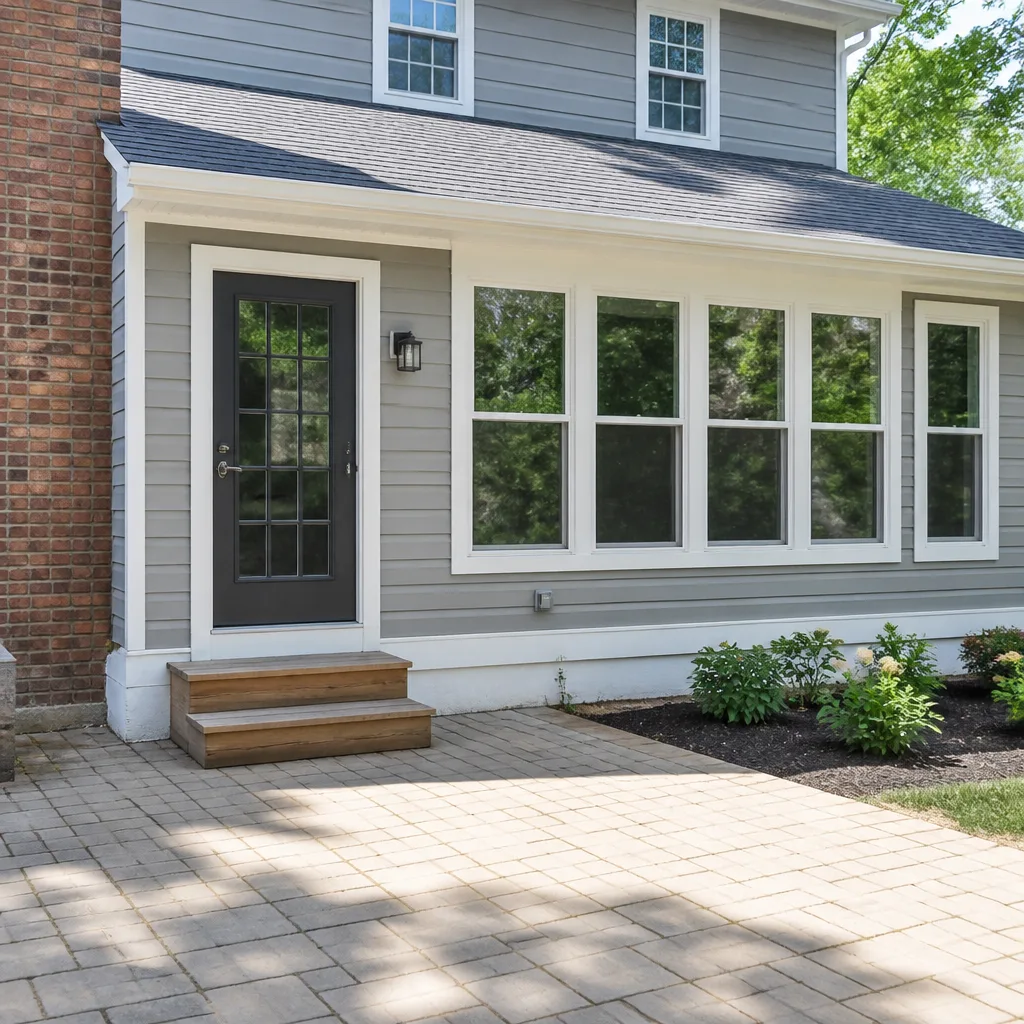 After
After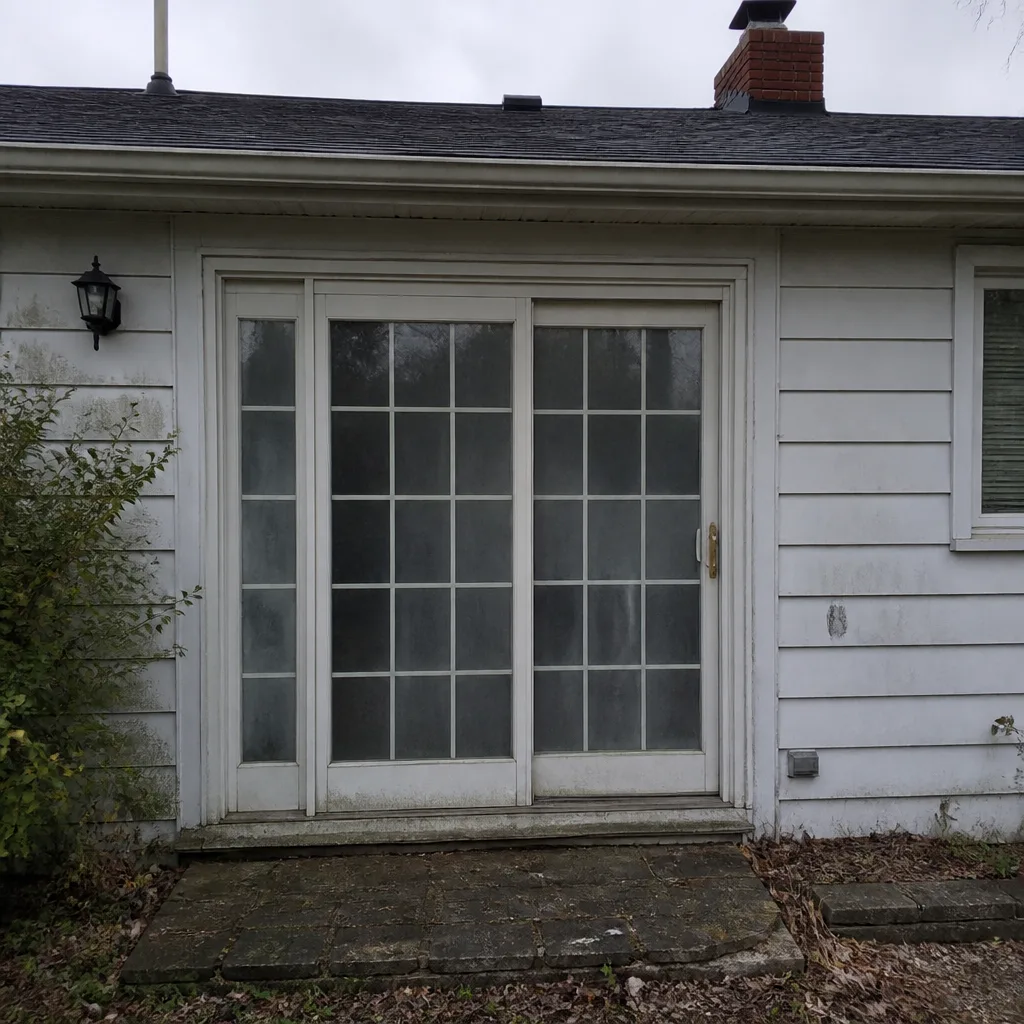 Before
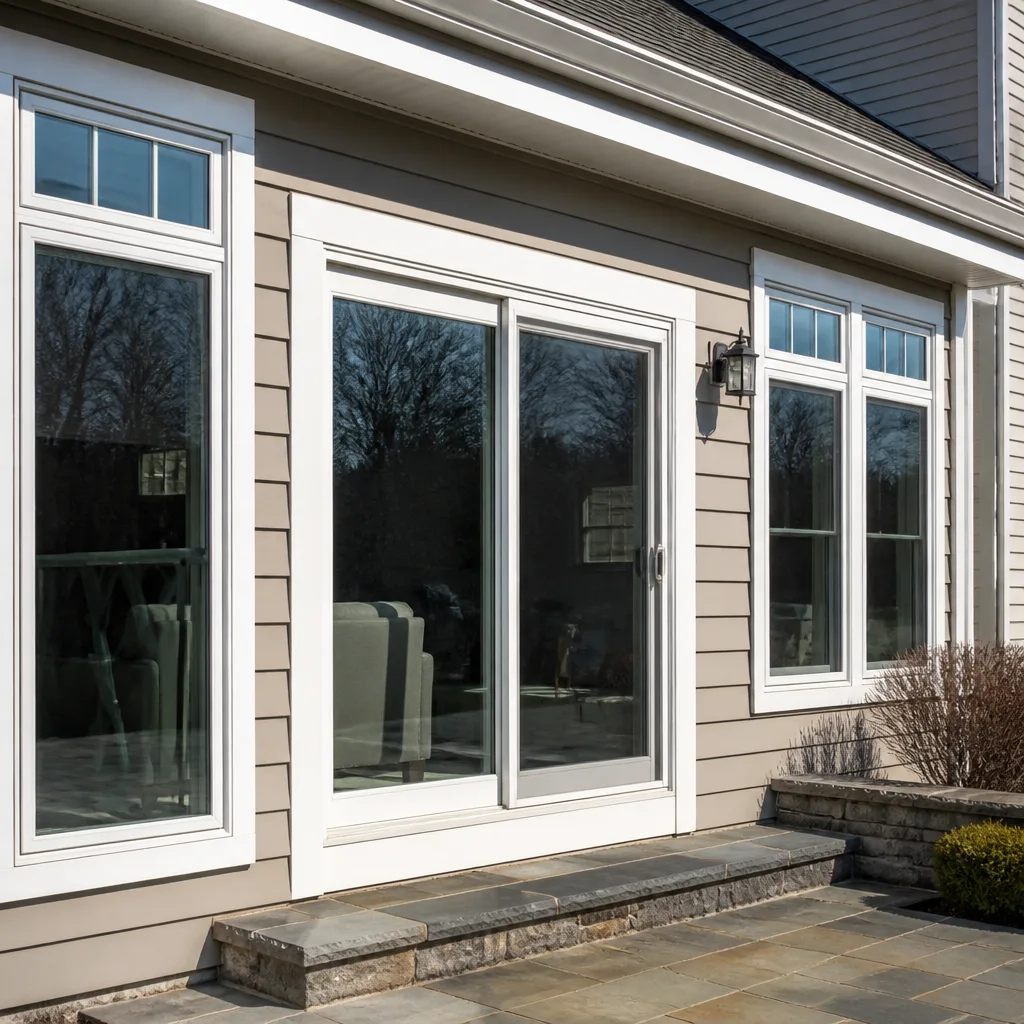 After
After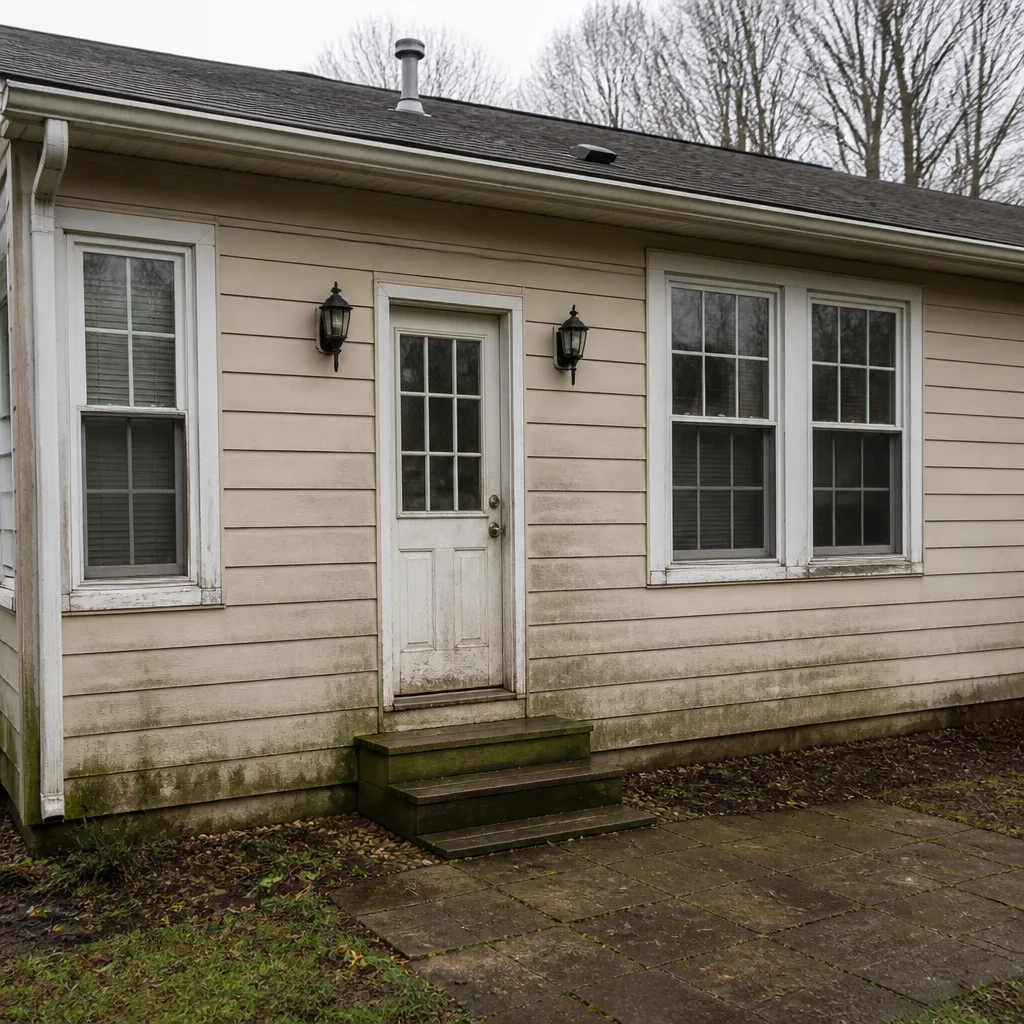 Before
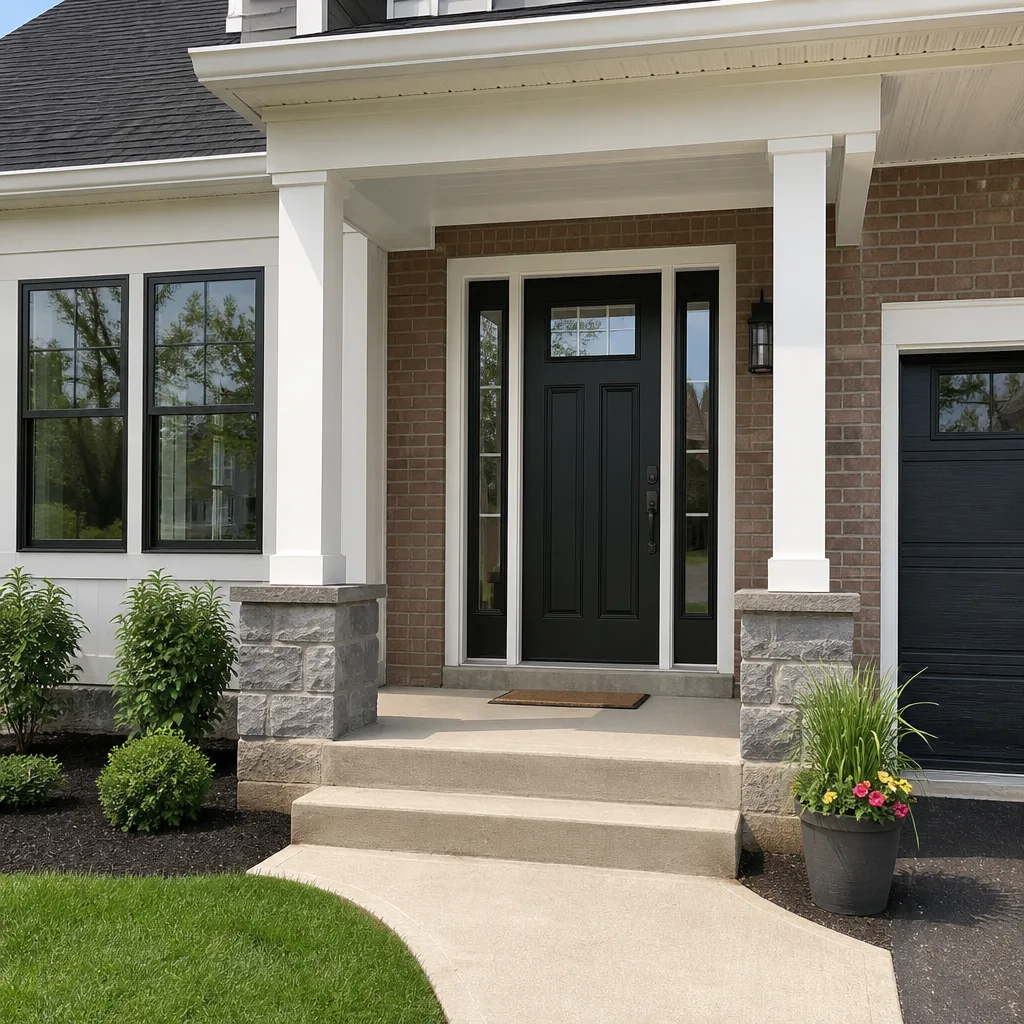 After
AfterWindows & Doors Cost Breakdown: The Columbus Homeowner’s Reference for 2026
When a window quote comes in 30 percent below the competition, the gap is almost always in one of three places: lower-grade spacer bars that fail in eight years instead of twenty, an installation method that skips flashing tape, or a warranty that is handed to the homeowner but never registered with the manufacturer. This guide breaks down where the money actually goes on a window or door project in Columbus, so you can evaluate quotes on facts rather than being swayed by the number at the bottom of the page. For Windows & Doors Warning Signs: A Columbus Homeowner’s Reference Guide and more, explore our resources. By the time you finish reading, you’ll know what a realistic 2026 price range looks like, what legitimate installation labor covers line by line, how Columbus’s climate zone affects your glass choices, and what a written quote reveals about the contractor who wrote it.
Quick Answer
The average Columbus homeowner will spend between $650 and $1,400 per window installed in 2026, with door projects ranging from $1,800 for a basic entry door to $8,500 for a premium fiberglass system with sidelights. The total cost depends less on the glass than on three variables: installation method, warranty registration, and scope items that low bids quietly exclude.
Table of Contents
- 2026 Price Range by Window Type: What Columbus Actually Pays
- What Legitimate Installation Labor Covers: A Line-Item Breakdown
- Why Cheap Glass Is Not the Cheapest Window: U-Factor, SHGC, and Columbus Climate Zone 5
- Manufacturer-Authorized Installer vs. General Handyman: The Warranty Exposure
- How to Use a Written Quote as a Diagnostic Tool
- Door Pricing in Columbus: Entry Doors, Patio Doors, and What Changes the Number
- Columbus Code, Permits, and Compliance: What Adds Cost and What Prevents Trouble
- Common Mistakes to Avoid
2026 Price Range by Window Type: What Columbus Actually Pays
Window pricing in Columbus varies by a factor of three for what appears to be the same job on paper. The framing is the same, the opening is the same, but one quote lands at $400 per window and another at $1,200. Here is what we actually see across Columbus neighborhoods, from Victorian Village double-hungs to Dublin ranch sliders to German Village casements where the historic trim stays in place.
| Window Type | Low End (Per Window, Installed) | High End (Per Window, Installed) | What Pushes It High |
|---|---|---|---|
| Single-Hung | $425 | $850 | Wood interior, triple glazing, large sizes, historic trim |
| Double-Hung | $525 | $1,100 | Impact-rated, custom sizing, Second-floor access, lead paint abatement |
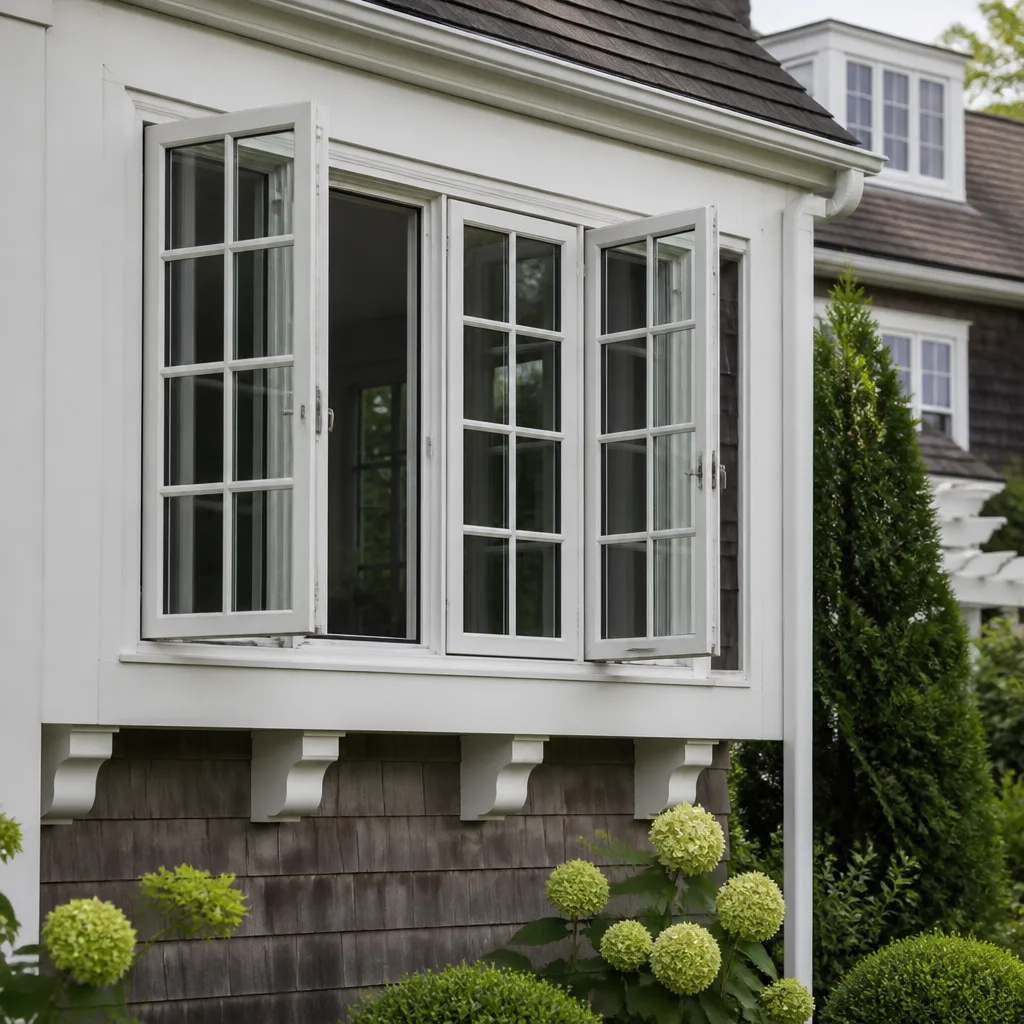
| Casement | $600 | $1,300 | Multi-point locking, custom hardware, oversized panels |
| Sliding | $550 | $1,150 | Large glass area, upgrade to E-coat Low-E, steel-reinforced frames |
| Picture / Fixed | $400 | $1,400 | Architectural shapes, tempered glass at floor level, triple-pane glass |
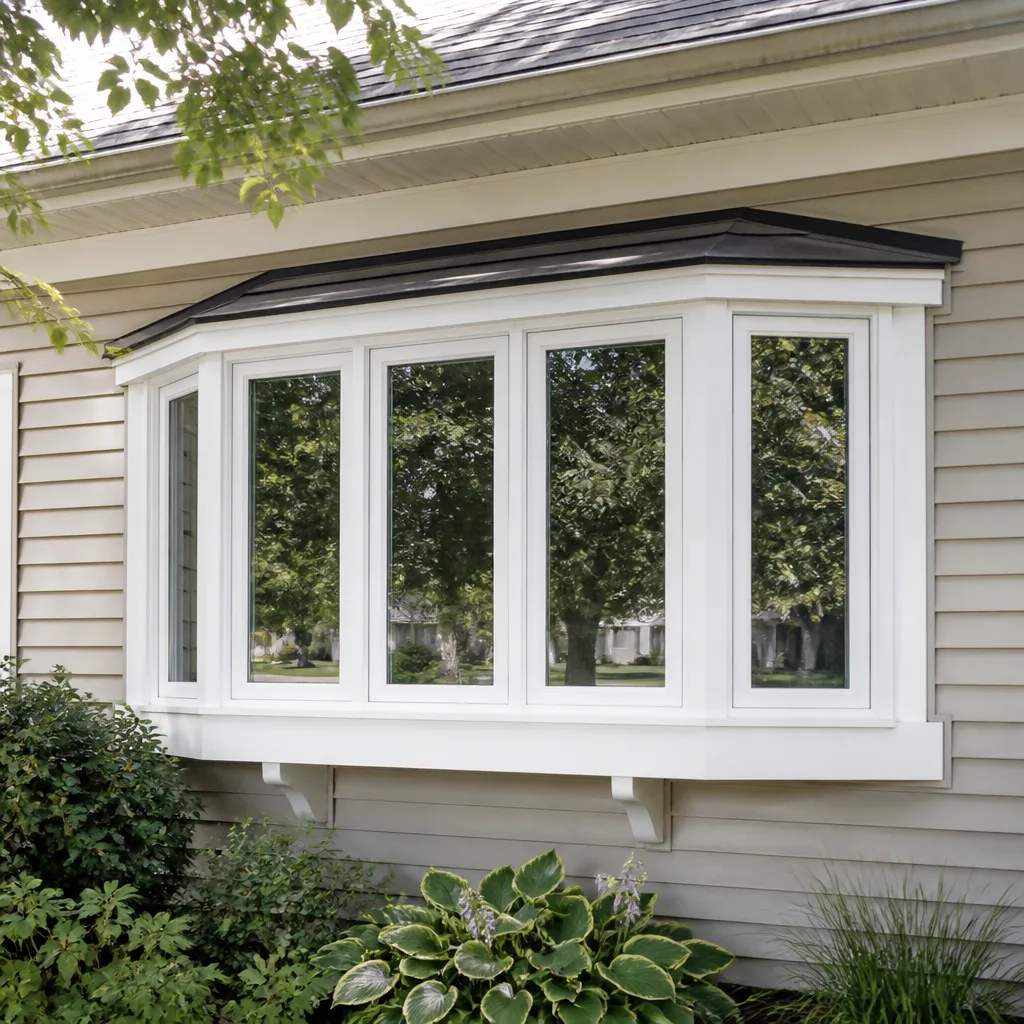
| Bay / Bow | $2,800 | $7,500 | Roof integration, structural support, seat board, copper cap, finish work |
These ranges reflect installed pricing in the Columbus 2026 market, including removal and disposal of the old unit. A single-hung in a suburban 1980s house in Westerville will land near the bottom. A double-hung in a 1920s Clintonville home with original wood casing and lead paint will climb toward the top, and for good reason: the labor to preserve that casing and handle the paint properly is real, and skipping it is how a cheap bid looks good on paper.
What moves a project toward the high end is rarely the glass itself. It is the opening. Columbus homes built before 1960 often have out-of-square rough openings, plaster returns instead of drywall, and sill rot from decades of condensation. A legitimate quote accounts for that. A low quote pretends it does not exist, then charges for it as a change order after the old window is out. We’ll talk more about that under written quotes.
What Legitimate Installation Labor Covers: A Line-Item Breakdown
Installation labor is where the honest bids separate from the corners that get cut. When we quote a window in Columbus, the labor number includes seven distinct tasks. A homeowner who understands these lines can spot immediately when a competitor’s low number is built on omissions rather than efficiency.
- Removal of the existing window - typically 8 to 12 percent of total job value. This includes careful extraction without damaging interior trim, exterior siding, or the rough opening. On older Columbus homes, this step takes longer because the original installer may have nailed through the casing in ways that require patience, not force.
- Disposal and recycling - 2 to 4 percent. The old glass, sashes, and frames must be hauled and processed. Contractors who do not list this line are either burying it elsewhere or leaving a dump trailer in your driveway for a week.
- Rough opening preparation - 10 to 15 percent. This is the step that determines whether the new window will be square, plumb, and thermally sealed. It includes checking for rot, repairing damaged framing, shimming properly, and addressing any water intrusion path that existed before. In Columbus’s freeze-thaw climate, this step is not optional. Skipping it is how you get a new window that leaks within two winters.
- Flashing and sealing - 5 to 8 percent. Proper flashing tape at the sill, sides, and head of the opening is the difference between a window that goes in dry and stays dry, and one that channels water into the wall cavity. Flash tape costs maybe $20 to $40 per window in materials. The labor to apply it correctly takes 20 minutes. When a bid undercuts this line item, the installer has chosen not to do it at all.
- Setting and securing the new window - 15 to 20 percent. Correct shimming, screwing through the frame or using strap anchors per manufacturer instructions, and ensuring smooth operation at every point of the sash travel.
- Interior and exterior trim work - 10 to 25 percent, depending on the house. High-quality trim work, especially on older Columbus homes where the original trim is worth preserving, is slow. A cheap bid uses quarter-round caulk joints and calls it done. A proper install mitered the trim and leaves a reveal that looks like it has always been there.
- Cleanup and final walk-through - included in a true job, not a line item most contractors break out, but a real cost. Hauling away all debris, vacuuming the work area with a HEPA filter, and walking the homeowner through each window’s operation and warranty paperwork.
We cannot speak for every contractor, but we will tell you what we do at TruePane Windows & Doors: we measure every opening twice, quote manufacturer lines side by side on paper, and register both warranty layers before the truck leaves the driveway. That is The Keystone Standard, and it is the reason our installs do not have change orders on the back end. The price we quote is the price on the bill.
Why Cheap Glass Is Not the Cheapest Window: U-Factor, SHGC, and Columbus Climate Zone 5
Columbus sits in Climate Zone 5 per the International Energy Conservation Code. That designation matters for one practical reason: your windows need to keep heat in during January and keep heat out during July. A window with the wrong glass for Zone 5 will cost you on your AEP or Columbia Gas bill every month for as long as it is in that opening.
The two numbers to understand are U-Factor and SHGC, or Solar Heat Gain Coefficient.
- U-Factor measures how well the window prevents heat from passing through it. Lower is better for Columbus, where the winter overnight lows regularly dip into the teens. A U-Factor of 0.30 or lower is appropriate for this climate. A window with a U-Factor of 0.35 might save you $75 per window on the purchase price, but it will cost more than that in heating over the life of the product.
- SHGC measures how well the window blocks heat from the sun. Columbus summers run hot and humid, with direct sun on south-facing and west-facing exposures. A lower SHGC, around 0.25 to 0.35, is the right range for those exposures. South-facing windows in Columbus get intense afternoon sun from late spring through early fall, and a higher SHGC will cook those rooms.
A window that meets ENERGY STAR requirements for the northern climate zone, which covers Columbus, will carry a U-Factor of 0.27 or lower and an SHGC of 0.30 or lower on most product lines. The difference between a window that meets this standard and one that does not is often $85 to $150 per window. Over a 20-year product life in Columbus, the compliant window pays for itself through reduced heating and cooling load, especially in older homes with large single-pane replacements.
The low-E coating also matters. A standard single silver low-E is the default on many entry-level lines. A dual or triple silver low-E, which reflects more infrared heat while allowing visible light to pass, is the standard we recommend for Columbus homeowners who plan to stay in their house. The cost difference is modest, usually $40 to $90 per window. The comfort difference in a drafty 1960s ranch in Hilliard or Upper Arlington is immediate.
Manufacturer-Authorized Installer vs. General Handyman: The Warranty Exposure
Window manufacturers like Andersen, Pella, Marvin, and Milgard run their warranty programs through authorized and certified installers. There is a reason for this: the manufacturer knows that a window installed incorrectly will fail, and when it fails, the homeowner will blame the brand, not the installer. The manufacturer protects its name by limiting warranty coverage to installers who have gone through its training and signed its installation protocols.
A general handyman can buy windows at a lumberyard or big-box store and install them. The handyman’s price will be lower. That savings comes with a specific exposure that most homeowners do not understand until it is too late.
When an authorized installer like TruePane Windows & Doors installs a new window, both warranty layers are registered in writing before the truck leaves the driveway. The manufacturer’s product warranty on the glass, frame, and hardware is in the homeowner’s name. The installer’s workmanship warranty follows. If the glass fails, the manufacturer replaces it. If the flashing fails, the installer fixes it. That is the structure in writing.
When a handyman installs, the manufacturer’s warranty often remains unregistered, which means the homeowner has no recourse if the insulating glass fails. The handyman’s own workmanship warranty, if there is one, is only as good as the handyman’s willingness to return the call in year three. The price difference between the two paths is often $150 to $400 per window. The warranty risk is the full replacement cost of a glass unit that fails, which in Columbus runs $275 to $600 per insulated glass unit, plus labor.
We are an authorized installer for more than a dozen manufacturer lines, including, PGT, CGI, and ES Windows. When we quote a job, we put the manufacturer lines side by side on paper, so the homeowner sees exactly what they are buying. That is a TruePane Windows & Doors home practice, and it is the only way to compare warranties honestly.
How to Use a Written Quote as a Diagnostic Tool
A written quote tells you more about the contractor than the contractor tells you about the job. We tell Columbus homeowners to treat the quote as a diagnostic: missing line items are not oversight, they are intent.
- Look for the disposal line. If the quote does not say who removes and hauls the old windows, assume that is coming as a surprise fee. A legitimate quote states removal, hauling, and disposal explicitly.
- Look for the flashing language. The words “flash” or “flashing” should appear in the scope of work for every window. If they do not, the installer is planning to skip it. No professional window installer in a Climate Zone 5 market like Columbus omits flashing on a full replacement.
- Look for a warranty registration step. If the contract does not state who registers the manufacturer warranty and within what timeframe, assume it will not be registered. A warranty that is not registered is a piece of paper.
- Check the trim scope. Does the quote specify whether existing interior trim will be preserved and reinstalled, replaced, or excluded? “Trim included” is not the same as “trim removed, preserved, and reinstalled.”
- Read the exclusions paragraph. Every legitimate quote has one. What it excludes is the tell. Standard exclusions include drywall repair, paint, and structural issues found after opening. If the exclusions section is missing or overly broad, ask for clarity in writing.
- Confirm the brand and model. “Premium vinyl window” is not a product. You should be able to call the manufacturer and confirm the series exists. If the quote will not name the product line, walk.
When you sit with a TruePane quote, we walk you through each line. We quote the exact manufacturer model, register both warranty layers before we leave, and put the warranty durations in writing. The Done Right Promise governs every install: if it is not done right, we make it right, no paperwork fights and no arguing. That is the standard we have held since 2008 in this community, and it is what Dale Kessler’s founding rule demands: if the pane is not true, the job is not done.
Door Pricing in Columbus: Entry Doors, Patio Doors, and What Changes the Number
Door pricing follows the same pattern as window pricing: the legitimate cost is in the installation and the structure of the deal, not just the slab. Here is what Columbus homeowners should expect in 2026.
- Basic steel entry door, replaced in existing frame: $1,200 to $2,200. This is the right scope when the frame is square, the threshold is sound, and the door swings correctly. Low bids in this range often skip re-flashing the rough opening, which is a mistake in Columbus where wind-driven rain hits east-facing entries hard in spring.
- Full entry door system, new frame, new threshold, re-flashed opening: $2,800 to $5,500. This is the correct scope for most older Columbus homes. It includes removing the existing frame, exposing the rough opening, replacing any rotted framing, installing a new pre-hung unit, and flashing it properly.
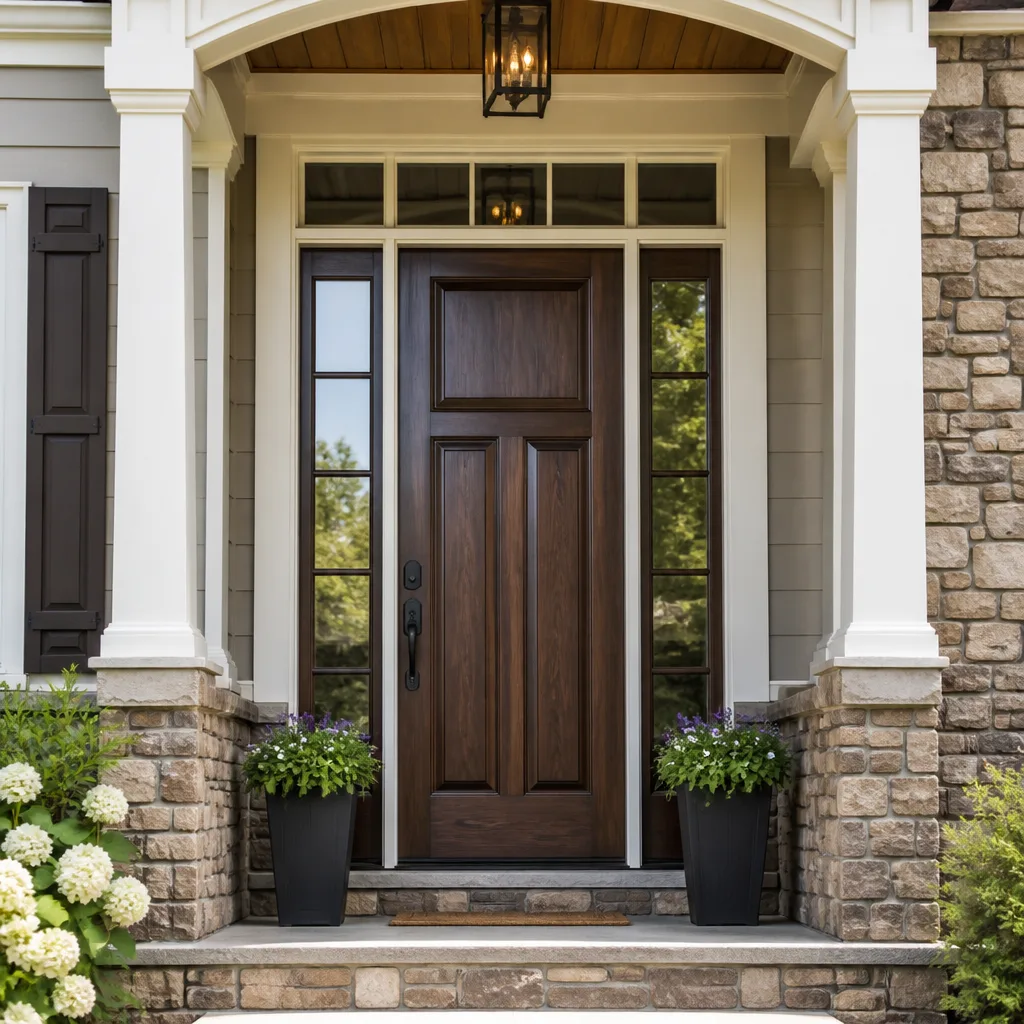
- Fiberglass entry door with sidelights or transom: $5,000 to $9,000. Fiberglass resists the Columbus freeze-thaw cycle better than steel or wood, which is why it has become the standard for entry doors on higher-end homes in Bexley and New Albany.
- Sliding patio door replacement: $2,000 to $4,500 for a standard 6-foot unit, more for oversized or multi-slide configurations. The cost driver on patio doors is the glass package and the quality of the roller hardware. A cheap roller fails in five years. A good roller runs quiet for twenty.
- French patio door replacement, swinging: $3,200 to $6,800. This price includes the critical step of setting both panels plumb and level so the doors meet in the center and latch without dragging. That is harder than it sounds, and it is where most handyman installs fail.
Door installation in Columbus needs to account for two local realities. First, older homes in this market have settled. Rough openings are rarely square, and forcing a new pre-hung unit into an out-of-square opening with a hammer is how doors bind in July. Second, Columbus building code requires weather-stripping and threshold heights that prevent air and water infiltration. A door installed without code-compliant flashing and sealing will fail both the performance test and the homeowner’s comfort.
We install doors the same way we install windows: measure twice, flash correctly, register the warranty, and stand behind the work. Our Door Installation in Parkway process is the same craft discipline we bring to every Columbus job.
Columbus Code, Permits, and Compliance: What Adds Cost and What Prevents Trouble
Columbus, like most Ohio municipalities, does not require a building permit for a like-for-like window replacement that does not enlarge the opening. That is the good news. The less-visible truth is that any window or door replacement in Columbus still must meet the performance requirements of the Ohio Building Code and the energy provisions of the IECC as adopted by Franklin County. See our Windows & Doors Permits, Codes & Inspections in OH: What You Need to Know for details.
What that means in practice: the replacement window’s U-Factor must meet the prescriptive value for Climate Zone 5, and the installation must maintain the thermal and moisture barrier of the wall. A contractor who installs a window without flashing tape or shims is not just doing sloppy work; they are creating a code violation that will surface on any future inspection if you sell the house.
Permit requirements in Columbus trigger when the opening is enlarged, which happens on bay and bow window projects, or when structural headers are modified. In those cases, a permit is required, and the work must pass a framing inspection before the window is set. Legitimate window and door contractors pull the permit, schedule the inspection, and stand behind the result. If a contractor suggests skipping the permit on an opening change, treat that as a red flag.
There is a cost associated with doing it right. Permit fees in Columbus are modest, typically $75 to $250 depending on the scope, but the inspection process adds a day or two to the schedule. That cost is real, and it protects you. A contractor who absorbs it into the quote and manages it for you is doing the job the way it should be done. Our Window Installation in Parkway work always includes code compliance, whether the opening is being enlarged or not.
Common Mistakes to Avoid
- Taking the low quote at face value. A bid 30 percent below the field is almost always built on omitted flashing, skipped warranty registration, or a change-order structure on the back end. The lowest quote is often the most expensive job.
- Buying windows without regard for Climate Zone 5 ratings. A U-Factor of 0.35 may sound acceptable, but in Columbus it means higher heating bills for the life of the product. Ask for the numbers and compare them against ENERGY STAR northern-zone values.
- Replacing glass without assessing the frame and rough opening. If the frame is rotted or the rough opening has a water path, new glass solves nothing. The problem is the opening, and the opening is where the labor belongs.
- Assuming the manufacturer’s warranty covers installation failures. It does not. The manufacturer covers the product. Installation failures are covered by the installer’s workmanship warranty, which only exists if the installer returns the call.
- Ignoring the trim scope. A quote that does not specify what happens to existing interior and exterior trim is a quote that is incomplete. “Replace window” and “replace window, preserving original trim” are not the same job, and the price difference will surface somewhere.
- Skipping the flashing because “it looked okay before.” The old window may not have leaked because the old sealant was still flexible. New flashing is a 20-minute task per window that prevents a repair that costs 10 times the materials. Do not accept a quote that leaves it out.
- Choosing a contractor who cannot name the product line. If the quote says “vinyl window” and nothing else, you are buying a generic product from a contractor who does not stand behind it. Demand the manufacturer and model line in writing.
When to Call a Professional
Window and door replacement is not a DIY project for most Columbus homeowners. A window that is not set square will bind. A frame that is not flashed will leak. A door that is not shimmed correctly will shift with the seasons. These failures are invisible until they are expensive. You should call a professional when the project involves full window replacement rather than a simple hardware swap, when any door is being removed from its frame, when the rough opening shows rot or water damage, or when the work will be inspected as part of a home sale. You should also call a professional any time the warranty matters to you, because a warranty is only as good as the installer who registered it. TruePane Windows & Doors offers free estimates in Columbus. Call (888) 635-0804 and a live person will answer, 24 hours a day, 7 days a week. No voicemail tree, no callback form, no regional call center.
Frequently Asked Questions
A full window replacement in Columbus in 2026 runs between $650 and $1,400 per window installed, depending on window type, size, access, and the condition of the existing opening. Bay and bow windows run $2,800 to $7,500. Call (888) 635-0804 for an exact quote, and we will put the manufacturer lines side by side on paper so you can see what you are buying.
The most common cause is scope omission: the low quote skips flashing tape, does not include disposal, presumes the rough opening needs no work, and does not register the manufacturer warranty. By the time the change orders land, the low quote is often the highest total. TruePane quotes are fixed-price with no surprise line items, backed by The Keystone Standard.
Like-for-like window replacement that does not enlarge the opening does not require a building permit in Columbus. Enlarging an opening, which happens on bay, bow, and some door projects, does require a permit, and the work must pass inspection. A legitimate contractor pulls the permit and manages the inspection.
A typical full-home window replacement of 10 to 15 units in Columbus takes two to four working days if the rough openings are sound. If rot or water damage is found, the schedule extends, which is why a proper quote includes rough-opening assessment rather than assuming the best. Most single-window replacements are completed in a single visit.
The manufacturer warranty covers defects in the glass, frame, and hardware. The installer workmanship warranty covers defects in how the window was set, flashed, and sealed. At TruePane, both warranty layers are registered in writing before the truck leaves the driveway, and the Done Right Promise stands behind the workmanship. If it is not done right, we make it right.
If your Columbus home has 10 or more windows of the same era, replacing them all at once gives you consistent glass packages, uniform warranty coverage, and a better per-window price. If you have one failed unit and the rest are sound, a targeted replacement is the right call. We provide Window Replacement in Parkway consultations and will tell you honestly which path fits your situation.
The Bottom Line
Window and door pricing in Columbus is not a mystery once you know where the money goes. The glass is the product. The installation is the craft. The warranty is the promise. Three different quotes for the same opening are almost never different because of the window itself; they are different because of what the installer plans to do inside that rough opening and what they will commit to in writing. The fair price is the one that includes flashing, disposal, proper trim work, a named product line, both warranty layers registered, and a contractor who will still answer the phone in five years. In Columbus, that is the only kind of quote we write at TruePane Windows & Doors. Call (888) 635-0804 for a free estimate, and get a square deal in writing.
Written by Dale Kessler, Owner at TruePane Windows & Doors, serving Columbus since 2008. Browse more guides & resources from our team.