
Last updated August 27, 2026
Free in-home measure and quote - PGT, CGI and CWS impact lines compared on your actual openings, style by style
Sliding glass doors
Impact garage doorsPGTCGI
 Before
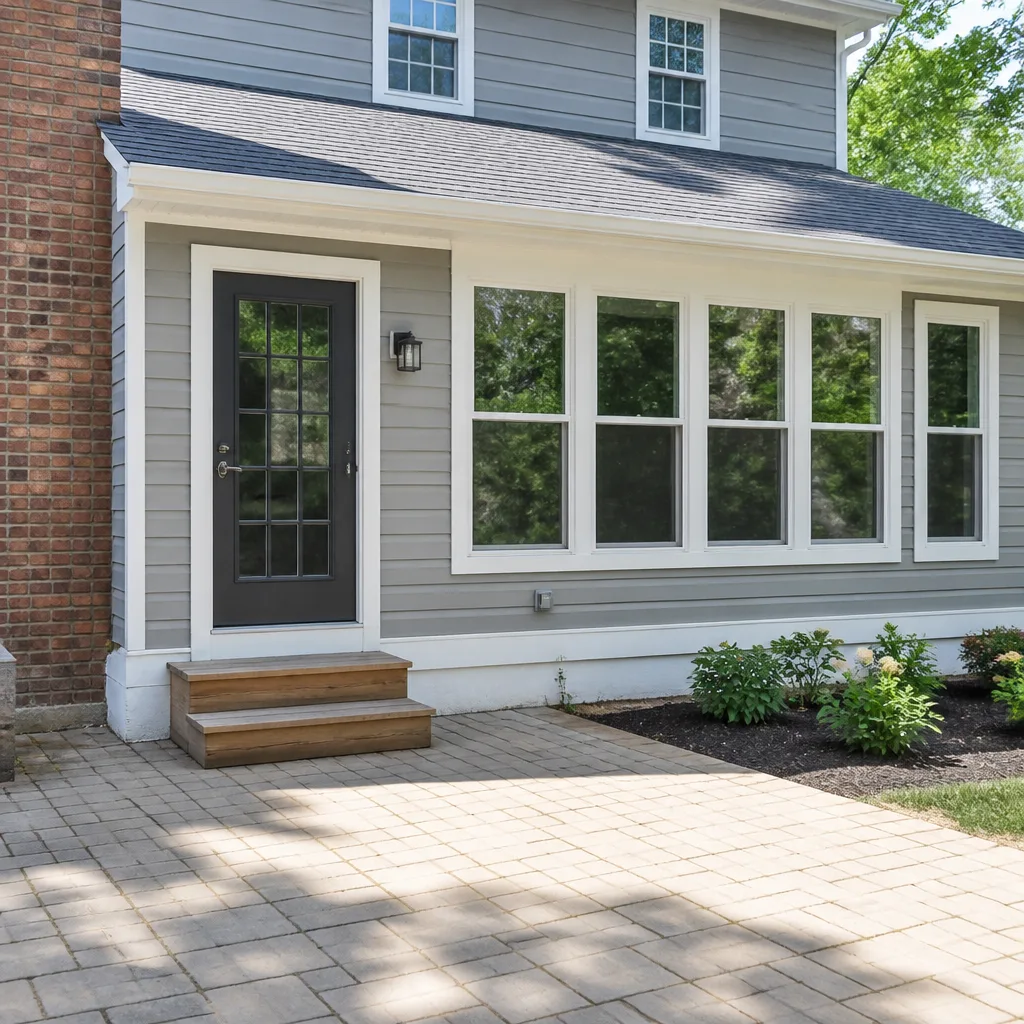 After
After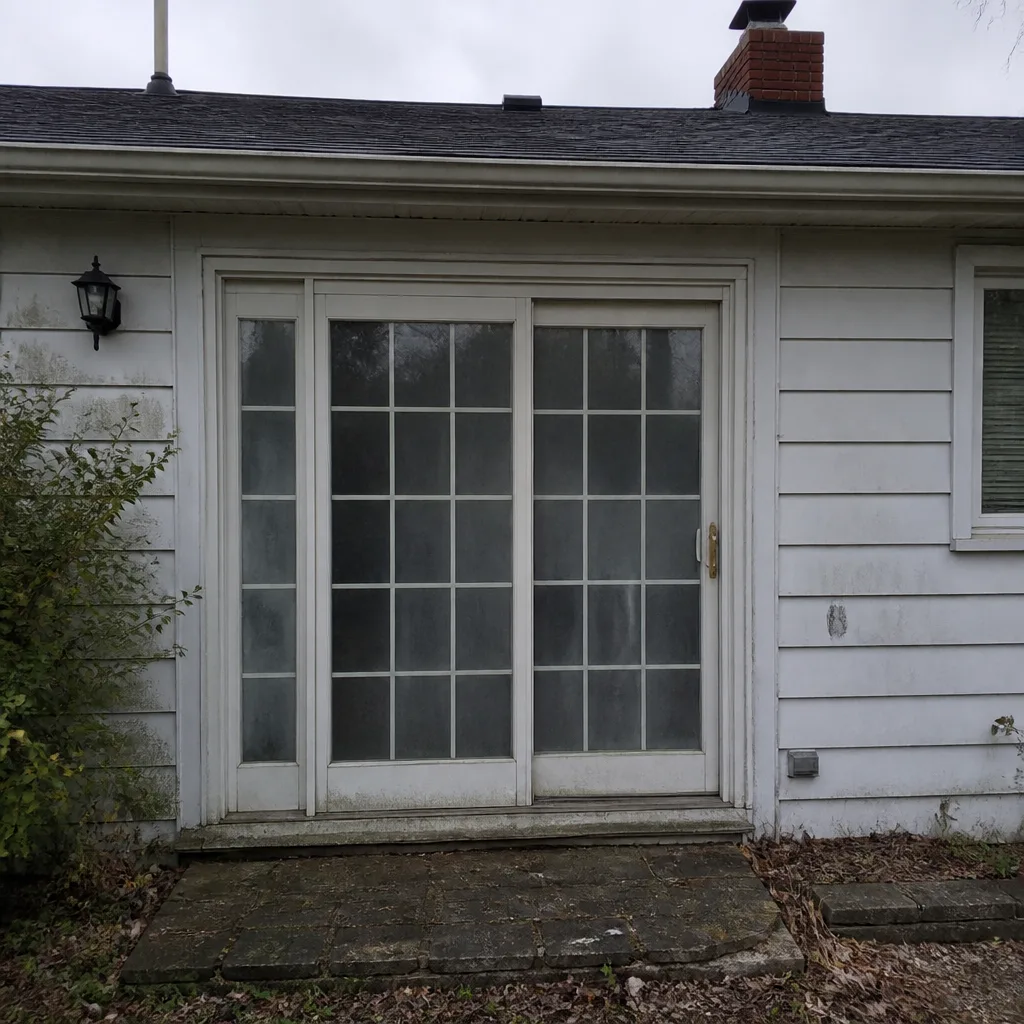 Before
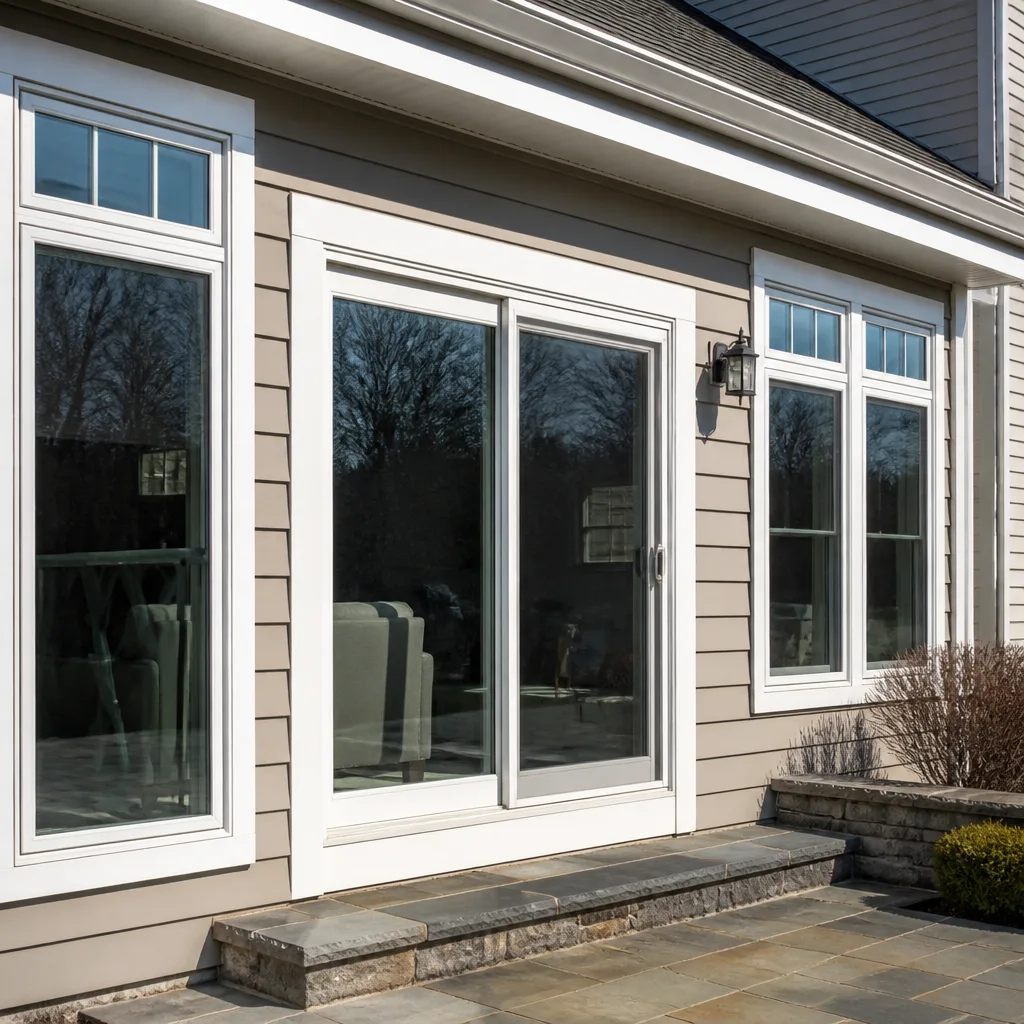 After
After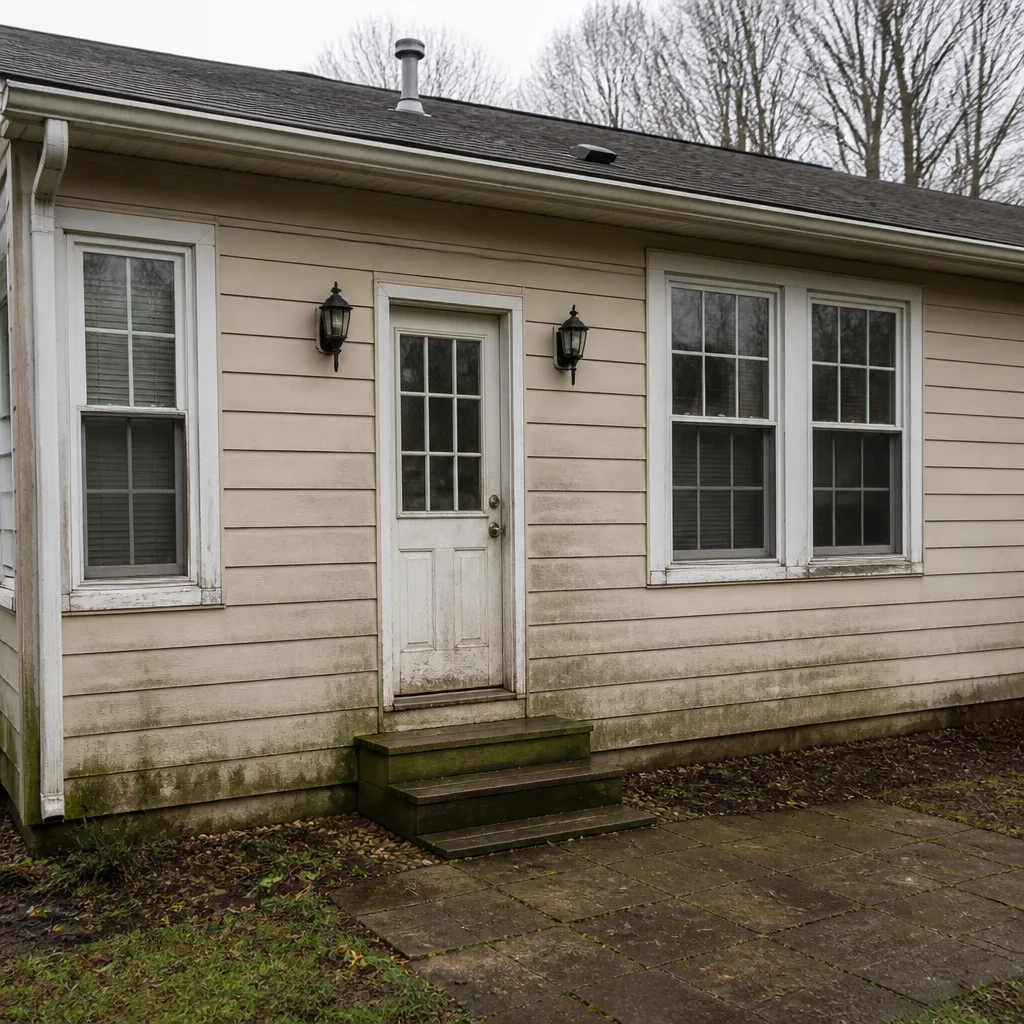 Before
 After
AfterDoor Installation Warning Signs Every Homeowner Should Know
A door that swings shut on its own is sometimes sold as a feature. It is not a feature. It is a plumb problem that tells you the frame was set crooked and the weight of the slab is doing the closing for you. In Columbus, where freeze-thaw cycles work on every exterior opening from October through April, that same out-of-plumb door will bind in the summer and leak cold air by January. This guide names the physical tells that separate a craftsman Door Installation services from one that will fail in the first winter, and gives you the tests to run before the crew’s number goes cold.
Quick Answer
The most reliable signs of a bad door installation show up within the first 30 days: a slab that drifts open or closed on its own, daylight visible at the frame corners, a deadbolt that no longer throws cleanly, and water staining at the base of interior trim after heavy rain. Each of these points to a specific installation error, not a manufacturer defect, and catching them early is the difference between a warranty correction and a full reinstall you pay for yourself.
Table of Contents
- The Three Plumb-and-Square Tests to Run the Day After Installation
- What Daylight Gaps at the Frame Corners Actually Mean
- Improper Flashing: What It Looks Like From Inside During a Heavy Rain
- Hardware Symptoms That Signal Frame Movement, Not Bad Hardware
- The Documentation You Should Demand Before the Installer Leaves
- Why Columbus Climate Makes Early Detection More Important
- The Warranty Reality Most Homeowners Learn Too Late
- Common Mistakes to Avoid
The Three Plumb-and-Square Tests to Run the Day After Installation
A properly installed door sits in a frame that is plumb, level, and square in all three dimensions. When any of those is off, the slab works against the hinges, the weatherstripping compresses unevenly, and the hardware starts to bind. The good news is that you do not need a contractor’s eye to catch most of this. You need a 4-foot level and ten minutes.
Here are the three tests we recommend running on every new door in Columbus, ideally the morning after installation:
- The swing test. Open the door to roughly 45 degrees and let go. A properly hung door stays put. If it swings open or closed on its own, the hinge side of the frame is not plumb. The door is following gravity, and every cycle is wearing the hinges and the strike plate unevenly. In our experience, doors that drift closed in a Columbus home will bind noticeably by the first humid July.
- The reveal test. Close the door and run your eye along the gap between the slab and the frame on all three sides. That gap, called the reveal, should be consistent from top to bottom and hinge side to latch side. A reveal that is wide at the top and tight at the bottom, or tight at the latch and wide at the hinge, means the frame is racked. This is the single most common installation defect we correct on doors installed by other crews.
- The level test. Place a 4-foot level against the hinge-side jamb, then the latch-side jamb, then across the head. Each should read true. A frame that is out more than an eighth of an inch over four feet is out of tolerance for most manufacturer warranties, and on exterior doors it also compromises the weather seal.
Run these tests before you make the final payment. Once the crew is gone and the invoice is settled, the leverage shifts. A written note from you the day after installation, with photos, is worth more than a phone call three months later.
What Daylight Gaps at the Frame Corners Actually Mean
If you can see daylight through the corners of a closed exterior door, you do not have a weatherstripping problem. You have a frame problem. Weatherstripping can compensate for a small irregularity, but it cannot compensate for a frame that was set out of square or a rough opening that was not properly shimmed and sealed. The light is a structural tell, not a cosmetic one.
When a frame corner shows daylight, one of three things happened during installation:
- The rough opening was overcut and never properly packed. A framer leaves a gap between the rough opening and the door jamb for shimming. When that gap is too large or the shims are placed incorrectly, the frame flexes under the weight of the slab and pulls away from the weatherstripping at the corners.
- The frame was not anchored correctly. Exterior door frames in Columbus homes need fasteners through the jamb into the rough framing at specific points. Missed anchors let the frame twist with seasonal temperature swings, opening corner gaps by late fall.
- The threshold was set on an uneven surface. If the subsill is not level, the entire frame racks, and the top corner opposite the low point is where daylight shows first.
Daylight at one corner may seem minor in August. In a Columbus February, that same gap is a channel for cold air, and the draft is the least of your problems. Moisture follows the same path, and rot in the subfloor or the rough opening framing is a five-figure repair compared to a door that should have been reset under warranty.
Improper Flashing: What It Looks Like From Inside During a Heavy Rain
Flashing failures are the slowest door installation defects to surface, and that delay is exactly why they are dangerous. The water that gets past bad flashing does not pour in. It seeps, saturates, and pools behind trim and under thresholds, often for months before a homeowner sees anything. By the time the stain appears on the interior wall, the structural damage is already underway.
During a heavy rain, here is what to look for from inside the house:
- Darkening or discoloration at the base of the door trim. This is water wicking up from a threshold that was not properly sealed at the corners.
- A musty or earthy smell near the door in the days after rain. That odor means moisture is trapped in the wall cavity, not drying out. In Columbus, where summer humidity slows evaporation, this smell can persist for weeks.
- Soft or swollen drywall or baseboard adjacent to the door opening. Press on the trim. If it feels spongy or gives, water has been present for some time.
- Water beading on the floor inside the threshold during wind-driven rain. This points to a missing or incorrectly lapped sill pan, which is the most common flashing error on entry doors.
Here is what most homeowners do not realize: flashing is hidden behind the exterior casing, so you cannot inspect it after the fact without removing trim. The time to insist on correct flashing is before and during the installation, not after the rain shows up inside. A conscientious installer in Columbus will photograph the flashing layers before the casing goes on and will show you those photos without being asked. If that documentation does not exist, assume nothing.
Hardware Symptoms That Signal Frame Movement, Not Bad Hardware
A deadbolt that binds, a latch that will not catch cleanly, a handle that sticks when you turn it. Most homeowners assume these mean the hardware is defective. They call for a warranty replacement on the lockset, only to find the new lockset binds the same way. The hardware was never the problem. The frame moved, and the hardware is just the first thing to complain about it.
Here are the hardware symptoms that point to installation error rather than a defective part:
- A deadbolt that requires you to lift or press the door to throw. The bolt is misaligned with the strike plate because the frame has shifted. Forcing the bolt grinds the mechanism and eventually shears the internal parts.
- A latch that scrapes across the strike plate on its way in. The door is sagging. The hinge screws may be pulling out of a frame that was secured into drywall rather than the rough framing, a common shortcut on retrofit installs.
- A handle that turns but feels tight or gritty only when the door is closed. The latch is under load from a door that rests against it. The load is the issue, not the handle.
- A door that has to be pulled hard against the weatherstripping to latch at all. The gap between the frame and the slab is too wide on the latch side, and the compression of the weatherstripping is compensating for a frame that was set too wide at the rough opening.
We have corrected installations in Worthington, Upper Arlington, and German Village where the homeowner had already replaced the lockset once, sometimes twice, before anyone checked the frame. The frame is the foundation of the door. Hardware is only as reliable as the frame it hangs in.
The Documentation You Should Demand Before the Installer Leaves
Here is the leverage conversation most homeowners never have. When a door installation goes wrong, the cost of the fix depends almost entirely on what was documented before the crew pulled out of the driveway. Without documentation, the manufacturer blames the installer, the installer blames the manufacturer, and the homeowner pays for the fix twice. With documentation, the responsibility is clear and the warranty does what it claims to do.
Before you sign off on any door installation in Columbus, ask for these five items:
- Photographs of the flashing and water management layers before the exterior casing was installed. This is the single most important piece of installation evidence. If the installer did not take these photos, there is no way to verify the flashing was done correctly without tearing the door out.
- Written confirmation that both manufacturer warranty layers have been registered. Most quality door manufacturers have a product warranty and a separate installation warranty. Both must be registered with the manufacturer to be valid. A verbal “we register it for you” is not enough. Ask for the registration confirmation in writing, or write down the confirmation number yourself.
- The warranty durations in writing, with the start date. Not a brochure. A line on the invoice that states the product warranty length, the installation warranty length, and the date coverage begins. This is what we do on every TruePane job, and it has ended more disputes than any conversation ever could.
- The model numbers and finish codes of every component installed. Slab, frame, hinges, lockset, weatherstripping, threshold. If a part fails seven years from now, you want to know exactly what was installed, not go hunting through faded paperwork.
- The name and contact information of the lead installer, not just the salesperson. The person who set the door is the person who knows how it was set. If questions come up later, you want to reach that person directly, not a call center screening for liability.
Any installer who balks at these requests is telling you something about how they plan to handle problems. The documentation is the difference between a warranty you can use and a warranty that exists only in the brochure. TruePane Windows & Doors home service operates on the principle that both warranty layers should be registered in writing before the truck leaves the driveway, because a warranty you cannot prove is not a warranty at all.
Why Columbus Climate Makes Early Detection More Important
Columbus sits in a climate band where doors get tested both ways every year. Summer brings humidity that makes wood swell. Winter brings freeze-thaw cycles that contract materials, crack sealants, and pull at every anchor point. A door installed slightly out of tolerance in a mild April will announce itself by January, and by then the fix is more expensive and more invasive than it would have been on day two.
The numbers tell the story. Columbus averages around 22 inches of snow a year and sees temperatures swing from single digits to the mid-90s across a typical year. That range puts more stress on a door opening than almost any other market in the state. A frame that is shimmed correctly and anchored properly absorbs the movement. A frame that is not flexes, cracks, and eventually leaks.
In neighborhoods like Clintonville and Bexley, where many homes are 60 to 100 years old, the rough openings are rarely square to begin with. A craftsman installation compensates for that with careful shimming and a true frame set inside the existing structure. A rushed installation sets the door to the old opening and calls it close enough. Close enough in April is a binding slab in July and a draft in February.
We also see the pattern in newer subdivisions around Hilliard and Grove City, where settlement is still active. A door installed in a house that is still settling needs anchors that allow the frame to hold true while the wall moves around it. The signs of trouble, a reveal that tightens at one corner or a threshold that rocks underfoot, are the same signs in new construction as in old.
The Warranty Reality Most Homeowners Learn Too Late
Here is the part nobody explains at the point of sale. A door warranty, even a good one, does not cover installation errors. It covers manufacturing defects in the slab, the glass, and sometimes the frame. If the door was set out of plumb, the warranty claim will be denied, and the manufacturer will point to the installation as the root cause. The installer’s workmanship warranty is what covers installation errors, and that warranty is only as good as the company standing behind it.
This is where the distinction between a product warranty and an installation warranty matters. A door manufacturer’s warranty might run 10, 15, or 20 years. Workmanship warranties are typically much shorter. When a door fails because it was installed wrong, the fix falls under the workmanship window, and if that window has closed or the installer is unreachable, the homeowner pays.
We built the Done Right Promise and The Keystone Standard at TruePane around this exact gap. Every TruePane job includes both manufacturer warranty layers registered in writing with their durations stated, plus a workmanship guarantee backed by a company that has served Columbus since 2008. If it is not done right, we make it right. No paperwork fights, no arguing, no fine print that covers neither the product nor the labor. That is the standard Dale Kessler set when he founded the company in 2008, and it is the standard on every Door Installation in Parkway and across Columbus.
The lesson for any homeowner, regardless of who installs the door: know what your workmanship warranty actually covers, know how long it runs, and get it in writing. The best day to learn the difference is before the door goes in.
Common Mistakes to Avoid
- Paying the final invoice before running the three tests. Once the money is gone, the leverage is gone. Run the swing test, the reveal test, and the level test before you write the last check. A reputable installer in Columbus will expect the walkthrough and will not pressure you to skip it.
- Assuming a draft is normal for an older house. In a pre-war home in Grandview or Victorian Village, some settling is expected. A draft at a newly installed door is not settling. It is a gap, and gaps do not close themselves.
- Replacing hardware before checking the frame. A new lockset in a racked frame is money spent on the symptom, not the cause. Check the reveals and the plumb before you buy any hardware.
- Accepting a verbal warranty promise. If it is not in writing, it does not exist. Ask for warranty durations on the invoice and registration confirmations before the installer leaves.
- Waiting for visible water damage before investigating a leak. By the time the stain shows on the interior wall, the framing behind it has been wet for months. Investigate any musty odor or darkening trim immediately after heavy rain.
- Hiring on price alone for a door that will last 20 years. A door is a structural element, not a fixture. The difference between the low bid and the fair bid is often the difference between a door that performs for decades and one that binds in the first July.
- Ignoring a door that drifts because it “still works.” A door that swings on its own is wearing the hinges and the strike plate every cycle. The day it stops working is the day the repair costs more than the initial correction would have.
When to Call a Professional
Some door problems are worth watching. Others demand a professional look before they get worse. Call a qualified installer if you see daylight at any frame corner when the door is closed, if water appears inside the threshold during rain, if the deadbolt will not throw without lifting or pressing the door, or if the reveal is visibly uneven from one side of the slab to the other. These are not cosmetic issues, and they will not improve with time. TruePane Windows & Doors offers free estimates in Columbus - call (888) 635-0804 and a live person will answer, day or night. We serve the entire Columbus area, and we have been standing behind our work here since 2008.
Frequently Asked Questions
Correcting a door installation in Columbus typically runs between $150 and $600 for shim adjustments, re-anchoring, or weatherstripping corrections, while a full frame reset or reinstall of an exterior door usually falls between $800 and $2,500 depending on the door type and the extent of the framing repair. The price depends on whether the frame can be corrected in place or must be removed and reset. Call (888) 635-0804 for an exact quote - estimates are free.
Yes, a door that swings shut or open on its own indicates the frame is out of plumb and the slab is following gravity. The condition accelerates hinge wear, causes uneven weatherstripping compression, and leads to binding as the seasons change. It is a correctable installation defect, not a design feature.
A properly installed exterior door in Columbus should last 20 to 30 years or more, with the weatherstripping and threshold seal needing replacement every 5 to 8 years. The door slab and frame will outlast the hardware if the installation is true and the water management is correct. Window Installation in Parkway work we perform faces the same Ohio weather demands, and the same standard applies.
Yes, a homeowner can check the basics with a 4-foot level and careful observation. Open the door to 45 degrees and let go, check the reveal gap for consistency, and place the level on both jambs and the head. Any significant deviation from true is worth a professional assessment.
Wind-driven rain finds the gaps that gravity-fed rain misses, which is why it is the most reliable test of flashing and seal quality. A door that leaks only when the wind blows usually has a flashing lap error or a missing sill pan corner seal, and the fix requires removing the exterior casing to correct it.
Yes, we install doors in older Columbus homes with non-standard rough openings regularly, including homes in Clintonville, Bexley, and German Village where the framing is rarely square and often historically irregular. The job requires careful shimming and a true frame set inside the existing structure, which is exactly the work we have done across Columbus since 2008. Call (888) 635-0804 for a free estimate on your specific opening.
The Bottom Line
Most door installation problems announce themselves within the first 30 days, and every one of them leaves a physical tell that a homeowner can read with a level, a careful eye, and ten minutes of attention. The door that drifts, the corner that shows daylight, the deadbolt that binds - these are not mysteries and they are not normal. They are the language of a frame that was set wrong, and the cost of ignoring them compounds every season. The leverage belongs to the homeowner who tests early, documents everything, and insists on warranties in writing. For more guides & resources, explore our blog. That is the standard TruePane Windows & Doors has applied to every job in Columbus since 2008, and it is the standard we recommend to anyone, no matter who installs the door.
Written by Dale Kessler, Owner at TruePane Windows & Doors, serving Columbus since 2008.