
Last updated August 27, 2026
Free in-home measure and quote - PGT, CGI and CWS impact lines compared on your actual openings, style by style
Sliding glass doors

Impact garage doorsPGTCGI
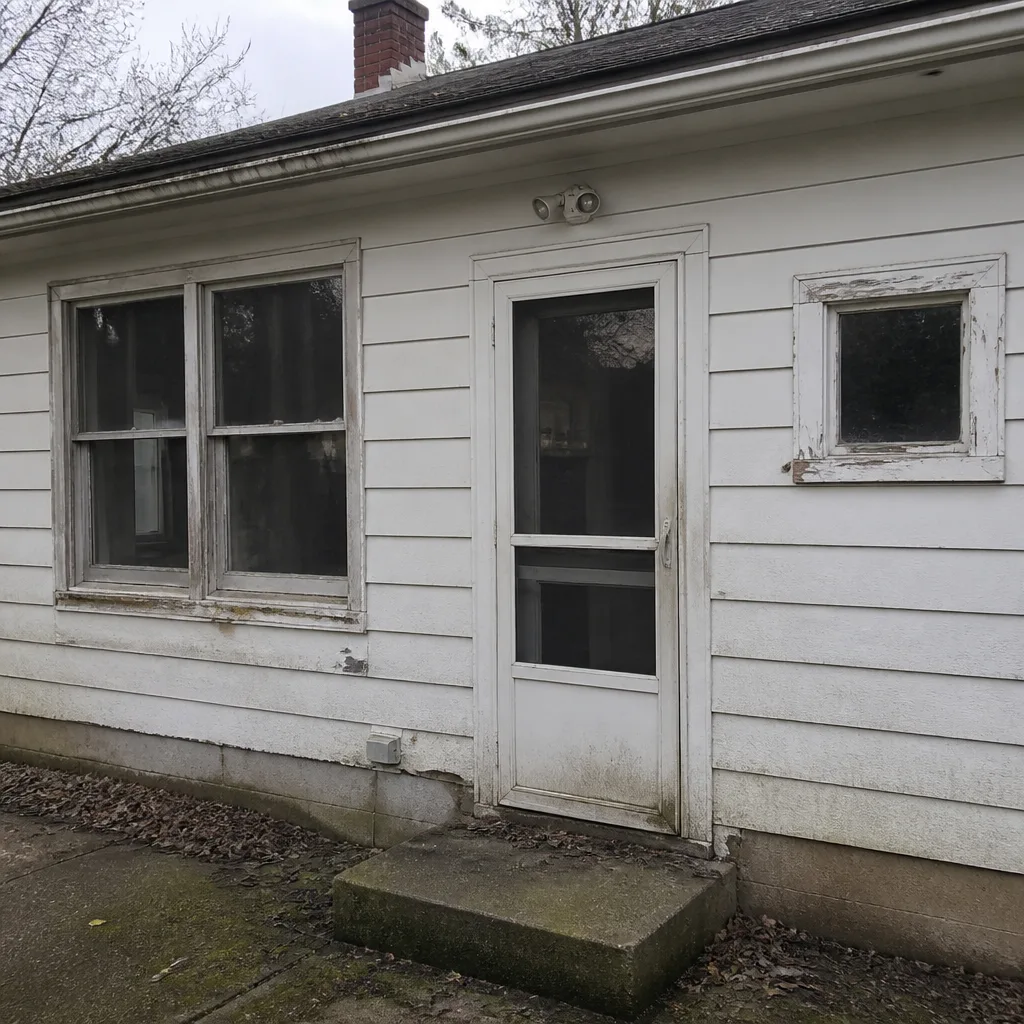 Before
 After
After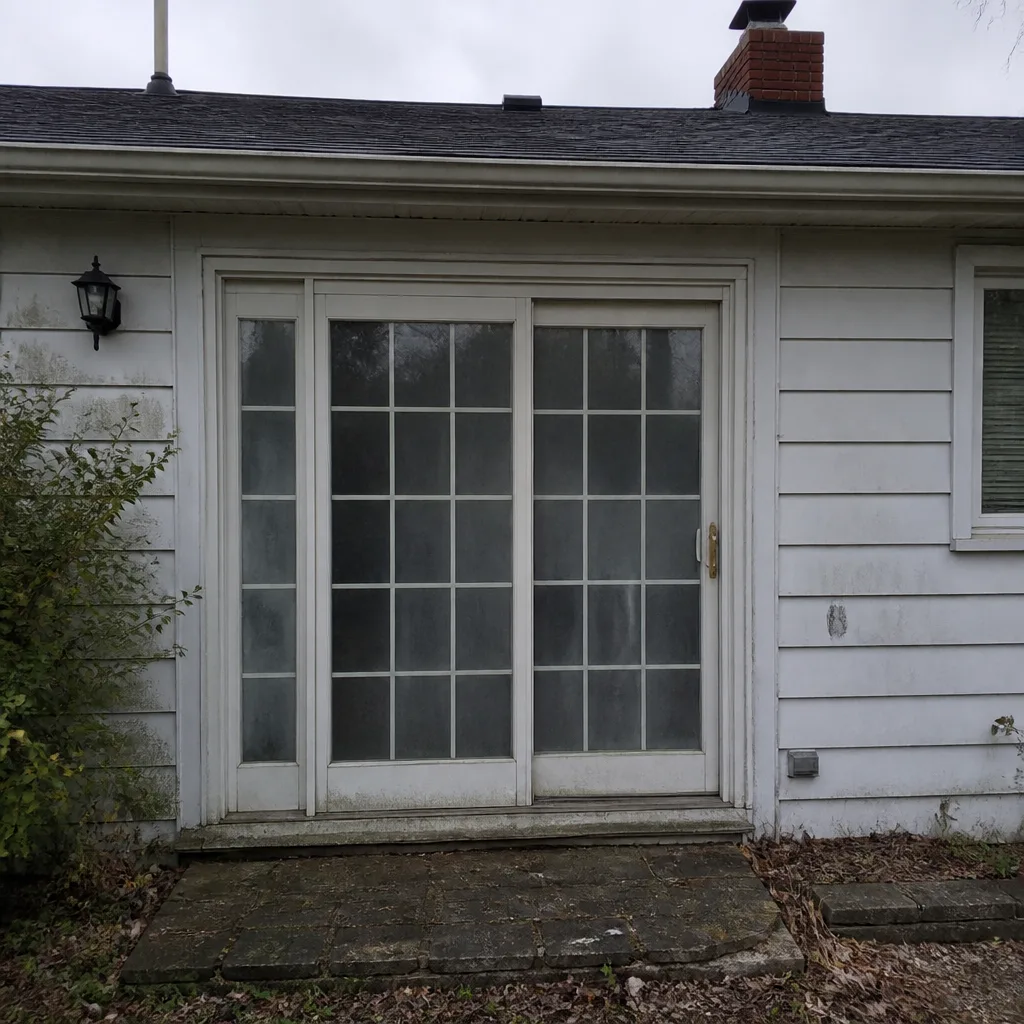 Before
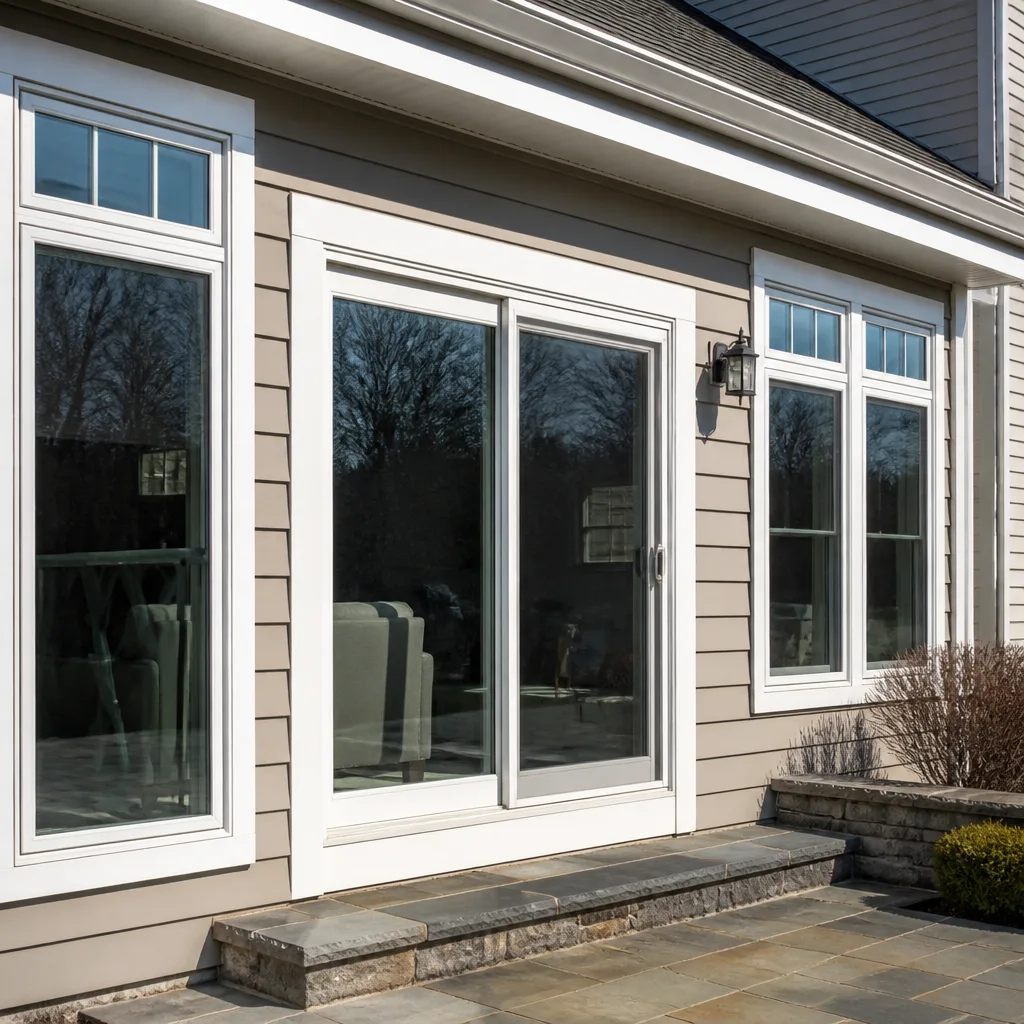 After
After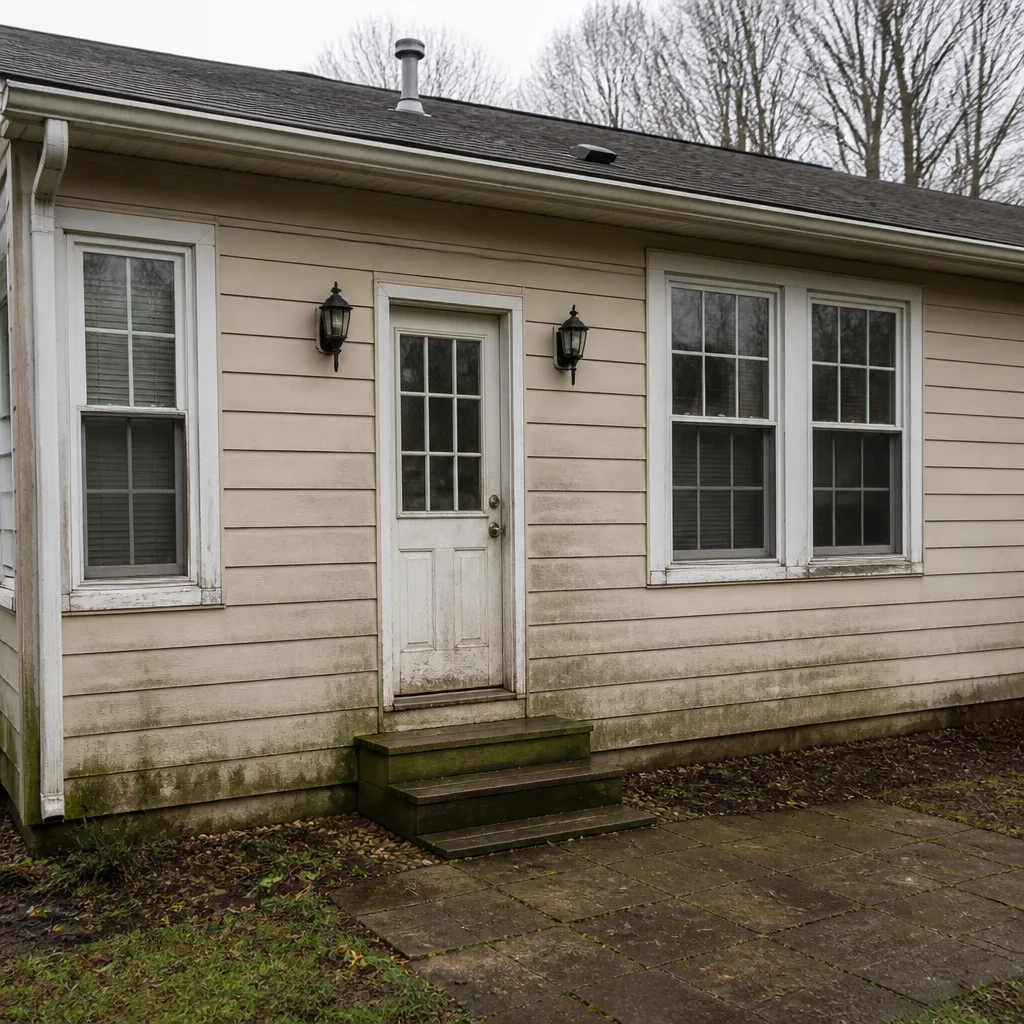 Before
 After
AfterEnergy-Efficient Windows Troubleshooting: Common Problems and How to Fix Them
Interior condensation on a double-pane window is blamed on the window almost universally. About half the time in Columbus, it is caused by air infiltration through a failed rough-opening seal that has nothing to do with the glass unit itself, and replacing the glass will not fix it. This guide walks you through how to tell the difference between a product defect and an installation defect, what each symptom actually means, and what to document before you call anyone. You will learn how to diagnose condensation by location, test for air infiltration versus thermal bridging with a candle, understand why some new windows underperform, and know when a repair is smarter than a replacement.
Quick Answer
Most Energy-Efficient Windows Warning Signs Every Homeowner Should Know, including condensation, drafts, and unexplained heating bills, trace back to either a failed insulated glass unit (IGU) or a failed seal at the rough opening. The fix depends entirely on which one you have. Condensation between the glass panes means the IGU seal has failed and the glass needs replacement; condensation on the interior room-side surface usually means indoor humidity is too high or warm air is leaking through the frame opening; condensation on the exterior surface is actually a sign the window is working correctly. Before you buy a replacement window, identify where the moisture or the draft is coming from.
Table of Contents
- The Condensation Diagnostic: What the Location Tells You
- Air Infiltration vs. Thermal Bridging: The Candle Test
- Failed IGU vs. Failed Frame Seal: Different Problems, Different Repairs
- Why New Windows Sometimes Perform Worse Than Expected
- What to Document Before Calling a Contractor
- The Five Most Common Draft Sources in Columbus Homes
- Repair or Replace: A Decision Framework by Symptom
- Common Mistakes to Avoid
- When to Call a Professional
- Frequently Asked Questions
- The Bottom Line
The Condensation Diagnostic: What the Location Tells You
Condensation is the most common complaint we hear from Columbus homeowners about their energy-efficient windows, and the location of the moisture tells you almost everything you need to know. There are three places condensation appears: on the interior surface of the room-side glass, between the two panes of glass, or on the exterior surface of the outside pane. Each one points to a different underlying cause, and two of the three do not require a new window.
Condensation on the interior room-side surface of the glass is a humidity and air-sealing issue, not a window failure. In a Columbus winter, indoor air holds moisture from cooking, showers, and even houseplants. When that warm, moist air touches a cold glass surface, the water vapor condenses. Energy-efficient windows with low-E coatings keep the interior glass surface warmer than old single-pane windows, which actually reduces this type of condensation. If you are seeing it anyway, the cause is usually one of two things: the indoor relative humidity is too high for the outdoor temperature, or warm, moist air is leaking through the window frame or the rough opening and hitting the cold glass. The fix for the first is a dehumidifier or better bathroom and kitchen ventilation. The fix for the second is air sealing at the window perimeter, which is an installation repair, not a window replacement.
Condensation between the two panes of glass is the one type that genuinely indicates a failed IGU. The desiccant inside the spacer between the panes has become saturated, the inert gas fill has escaped, and the sealed unit can no longer keep moisture out. This is a product failure. The repair is to replace the glass unit itself, which is often possible without replacing the entire frame, depending on the window line. Milgard, Jeld-Wen, and other major manufacturers warranty their IGUs for a stated number of years, but if the window was installed out of square or the frame was twisted during installation, the IGU seal can fail prematurely, and the manufacturer will deny the warranty claim because the failure was caused by installation, not by a defect in the glass.
Condensation on the exterior surface of the outside pane is a sign the window is doing its job. Low-E glass reflects heat back into the house, which leaves the exterior pane cool. On a Columbus morning with high humidity and clear skies, that cool surface can collect dew just like a car windshield. Nothing is wrong. Do not call anyone about it, and do not let anyone sell you a replacement window because of it.
Air Infiltration vs. Thermal Bridging: The Candle Test
A draft near a window is not the same thing as cold air coming through the window. Many homeowners feel cold air near a window and assume the window itself is leaking, but in a significant number of Columbus homes, what they are feeling is thermal bridging through the frame material or air movement caused by convection, not infiltration. The candle test will tell you which one you have in about five minutes.
Here is how to run the test:
- Pick a cold, windy day. The test is useless on a mild day with no temperature differential. You want at least a 20-degree difference between inside and outside temperatures.
- Turn off anything that moves air. Furnace blower, ceiling fans, bathroom exhaust fans, anything that creates air currents inside the house. You want still indoor air.
- Hold a lit candle or a stick of incense near the suspect window. Move it slowly around the entire perimeter: the top, bottom, sides, and the meeting rail where the two sashes come together.
- Watch the flame or smoke. If the flame flickers or the smoke stream bends steadily in one direction, you have air infiltration. Air is actually moving through an opening. If the flame stays still but your hand feels cold near the glass, you are feeling thermal bridging or radiant heat loss, not a leak.
- Mark the spots. Use a piece of painter’s tape to mark every location where the flame flickered. You now have a map of the actual leak points, which is exactly what a contractor needs to see.
Air infiltration means there is an opening somewhere: a failed weatherstrip, a gap between the frame and the rough opening, a sash that does not seat fully, or a failed seal at the exterior trim. These are mechanical and air-sealing problems that can often be repaired without replacing the window. Thermal bridging is a different animal. Aluminum window frames conduct cold readily, and even some vinyl frames with steel reinforcement will conduct cold through the frame corners. The fix for thermal bridging is typically a better window product with a thermal break, or adding window coverings. One is a repair, one is a replacement, and the candle test separates them before you spend a dollar.
Failed IGU vs. Failed Frame Seal: Different Problems, Different Repairs
This is the distinction that saves Columbus homeowners the most money. A failed IGU and a failed frame seal produce symptoms that look similar at a glance, but the repair paths are entirely different, and so is the cost picture. If you diagnose the wrong one, you either pay for a new window you did not need or pay for a glass replacement that will not solve the problem.
A failed IGU is a failure of the sealed glass assembly itself. The two panes of glass, the spacer between them, the desiccant, and the gas fill all live inside that sealed unit. When the perimeter seal of the IGU fails, moisture gets in between the panes, and you see fogging, haze, or mineral deposits that cannot be wiped off from either side. The repair is to replace the IGU only. On many window lines, including Milgard and Jeld-Wen products, the IGU can be ordered through a glazing supplier and installed into the existing frame without removing the frame from the wall. This is often a few hundred dollars per window rather than a thousand-plus for a full replacement. The key question is whether the IGU failure was caused by a manufacturing defect, which the manufacturer warranty may cover, or by frame distortion from a bad install, which it will not.
A failed frame seal is a failure of the connection between the window frame and the rough opening in the wall, or a failure of the weatherstripping between the moving sash and the fixed frame. The symptoms are drafts, air movement, dust ingress, and sometimes water staining on interior drywall below the window. The glass unit may be perfectly fine. The repair is to remove the interior and exterior trim, inspect the connection, re-seal the gap between the frame and the rough opening with low-expansion foam or backer rod and sealant, re-install the trim, and re-test. In some cases the window frame has to be removed and re-set. This is an installation repair, and it is exactly the kind of work that falls under a workmanship warranty if the original installer offered one. At TruePane Windows & Doors home, our Done Right Promise covers workmanship issues like this, and we register both manufacturer warranty layers in writing before the truck leaves the driveway, so you are not left holding a voided warranty for an install problem.
Why New Windows Sometimes Perform Worse Than Expected
Homeowners who spend five figures on new our Energy-Efficient Windows services in Columbus expect their heating bills to drop and their drafts to disappear. When the house feels the same or the bills barely move, the assumption is that the windows are defective. In our experience, the windows are rarely the problem. The installation air sealing is.
A replacement window is only as efficient as the gap around it. When an old window is removed, the space between the rough opening and the new frame, typically a quarter-inch to a half-inch on each side, must be filled and sealed correctly. If the installer stuffs fiberglass insulation in the gap and calls it done, air moves through fiberglass almost freely. If the installer uses low-expansion foam but misses the corners, air finds the corners. If the exterior trim is re-installed without a proper sealant bead, water and air get behind the trim. The window itself may have a U-factor of 0.26 and a great NFRC label, and the house still leaks because the perimeter was never sealed.
This is also why two identical windows installed by two different crews can perform very differently in the same Columbus neighborhood. The product is the same; the craft is not. A second-generation glazier’s standard is to measure every opening twice, set the frame square and level, fill the perimeter gap with the correct sealant system, and test the installation before the trim goes back on. If the pane is not true, the job is not done. That is the founding rule that names our company, and it governs every install we do, including Window Installation in Parkway and the surrounding Columbus area.
If your new windows are underperforming, the first question is not what is wrong with the window. The first question is what happened around the window during the install. A blower door test or a thermal imaging scan will show the leak paths. Once you know where the air is moving, you can decide whether the fix is a re-seal, a re-install, or a conversation with the original installer.
What to Document Before Calling a Contractor
The difference between paying a contractor for an hour of diagnostic work and paying a contractor for a repair you already understand is a ten-minute documentation routine. When you call a window company in Columbus, the person on the other end of the line is going to ask you questions. If you have answers ready, with specifics, the conversation changes from guesswork to a plan. Here is what to capture before you pick up the phone:
- Photograph every symptom. Condensation between panes, water staining, a visible gap in the weatherstripping, peeling trim, fogging. Photos with a timestamp are better. Take one wide shot showing the whole window and one close-up of the problem.
- Record the location of every problem window. Write down the room, the wall, and the direction it faces. A south-facing window in Columbus gets afternoon sun and will behave differently than a north-facing window that never sees direct sun. Draft direction matters for diagnosis.
- Run the candle test and log the results. Mark the draft points with painter’s tape, photograph them, and write down which side of the window leaked. Top, bottom, left, right, or meeting rail.
- Check the window manufacturer and date. Look for the manufacturer’s label, usually on the frame or etched into the corner of the glass. If you have the original warranty paperwork, pull it out. The manufacturer, model line, and install date determine what warranty coverage exists.
- Review your utility bills for the past twelve months. Compare the winter months to previous years if you have the history. A spike of 15% or more in heating cost with no change in usage is a useful data point.
- Check the operation of the window. Open and close every sash. Note whether it is stiff, whether it drops when released, whether the lock engages cleanly. A window that is hard to operate is often a window with a frame that has shifted or a balance that has failed.
When you call with this information ready, the conversation with a contractor is productive from the first minute. You are not paying someone to rediscover what you already know; you are paying someone to fix it. A square deal means upfront pricing, no surprises on the bill, and you get to that price faster when the diagnosis is already in your hand.
The Five Most Common Draft Sources in Columbus Homes
Drafts are the symptom homeowners notice first, but a draft is not a diagnosis. It is a direction. Cold air moving into a house follows a handful of predictable paths, and in Columbus, where winter temperatures routinely dip below freezing and spring storms drive rain against window frames, these five culprits account for most of the draft complaints we see.
1. Failed or compressed weatherstripping on the sash. The flexible gasket that seals the moving sash against the fixed frame loses its memory over time, especially on windows that get direct afternoon sun. The fix is to replace the weatherstripping, which is an inexpensive repair on most window lines, including the Common brands we service.
2. The gap between the frame and the rough opening. This is the hidden draft source. The gap is behind the trim, so the homeowner never sees it. The air moves through the wall cavity and into the room around the window frame. This requires removing trim and re-sealing the perimeter, which is an installation repair. Columbus homes built in the 1950s through the 1980s are especially prone to this because the original window flashing and sealing methods were often minimal.
3. The meeting rail on double-hung windows. Where the top of the lower sash meets the bottom of the upper sash, the interlocking rail has to make a tight seal. On older double-hungs, this area wears, and air moves through the center of the window. Some window designs are more forgiving than others; Jeld-Wen and Simonton both make double-hungs with engineered meeting rails, but even the best rail seal fails when the sash is not seated squarely.
4. Failed glazing bead or gasket on the exterior. The seal between the glass unit and the frame on the exterior side keeps water and air out of the frame channel. When this gasket deteriorates, air moves into the frame and finds its way inside.
5. The exterior trim connection. Where the brick mold or exterior casing meets the siding, there is a joint that must be sealed. On Columbus brick homes, the joint between the brick and the window frame is a classic failure point. Caulk cracks, air and water get in, and the draft shows up at the interior trim.
The candle test will usually point you to the right one. From there, the fix is either a weatherstripping replacement, a frame re-seal, or a glass-unit replacement. Knowing which one you need before you call keeps the repair honest.
Repair or Replace: A Decision Framework by Symptom
Every window symptom leads to a decision: repair what you have or replace the unit. The right answer is not always the more expensive one, and sellers who push replacement before understanding the problem are not doing you a favor. Here is a framework by symptom, the way we walk through it with Columbus homeowners who call us for advice.
Fogging between glass panes. This is a failed IGU. The glass unit needs replacement. Whether the whole window needs replacement depends on the age of the frame, the condition of the hardware, and whether the original install was square. If the frame is sound and the install is true, replace the IGU. If the frame is twisted or rot set in, replace the window.
Draft at the perimeter. Run the candle test. If air is moving at the trim line, the frame seal has failed. The repair is to re-seal the window, and it costs a fraction of a replacement. If the frame is square and the sash operates, there is no reason to replace the window.
Draft at the meeting rail or sash edge. This is usually weatherstripping. Replace the gaskets and retest. If the draft persists, the sash may be out of alignment, which is a tune-up repair, not a replacement.
Water staining on interior drywall below the window. The leak is at the frame-to-wall connection, the exterior trim, or the sill flashing. This is an installation repair. The window itself may be dry. If the leak has caused rot in the rough opening, replacement becomes a bigger job, but that is a building repair, not a window product failure.
High heating bills with no obvious draft. The windows may be underperforming due to age, or the house may be leaking air somewhere else entirely. Before replacing windows, get an energy audit. A blower door test will show whether the windows are the problem or the attic, the rim joist, or the doors.
The point of the framework is this: do not replace a window for an installation problem. You will pay for a new window, and the draft will come back because the opening was never sealed. That is the trap, and it is a common one. In Columbus, where heating and cooling load drives the energy bill, a properly sealed window is worth more than a fancier glass package in a leaky frame, which is why we start every repair and every Window Replacement in Parkway job with the same question: what is actually failing, the glass or the seal around it?
Common Mistakes to Avoid
- Replacing the glass to fix a frame leak. A new IGU in a leaky frame still leaks. If the draft is at the perimeter, the glass was never the problem. Diagnose first, then spend.
- Ignoring interior condensation as “just a winter thing.” Persistent interior condensation on Columbus windows means high indoor humidity or air leakage through the opening. It leads to mold on trim and drywall if left alone.
- Assuming the window is the source of a draft without testing. Ceiling fixtures, electrical outlets, and baseboard gaps on exterior walls all create drafts. Run the candle test before you spend window money.
- Throwing away warranty paperwork. IGU warranties from manufacturers like Milgard and Jeld-Wen run for years, but you cannot make a claim without the original purchase record and install documentation. Keep it with your closing papers.
- Hiring a replacement-only company for a repair job. Some contractors only sell full replacements and will not offer a re-seal even when the window is otherwise fine. That is a sales limitation, not a technical one.
- Caulking over drafts from the interior side. Interior caulk does not stop air moving through the wall cavity. The seal has to happen at the frame-to-rough-opening connection and the exterior trim line, or the air just finds another path.
- Waiting until spring to fix a drafty window. The best time to diagnose a window problem in Columbus is on a cold day. The temperature differential makes the leak visible. Summer hides drafts, and you will forget the problem until next November.
When to Call a Professional
Some window problems are homeowner-diagnosable, and some are not. Call a professional when the condensation is between the glass panes and you do not know the window manufacturer, when water staining appears on interior drywall, when the candle test shows leaks at the trim line rather than the sash, when a double-hung sash drops or binds, or when you have already replaced the weatherstripping and the draft persists. A failed IGU requires a glazier with access to the manufacturer line. A failed frame seal requires someone who will remove trim, inspect the rough opening, and re-seal it properly. Door Installation in Parkway and window work across Columbus are both part of what we do, and TruePane Windows & Doors offers free estimates in Columbus, call (888) 635-0804. We measure every opening twice, quote the work on paper, and register both warranty layers before the truck leaves the driveway.
Frequently Asked Questions
Condensation between the two panes of glass means the sealed unit has failed and the desiccant can no longer absorb moisture. The IGU needs to be replaced. Condensation on the interior room-side surface is a humidity or air-leakage issue, not a glass failure, and the fix is usually ventilation or air sealing rather than a new window.
Replacing a failed IGU in Columbus typically runs between $250 and $450 per window depending on the glass size, the coating package, and the window manufacturer. A full window replacement runs $800 to $1,800 or more per window installed. Call (888) 635-0804 for an exact quote on your specific windows; estimates are free.
Most drafty windows can be repaired. If the draft is at the sash or meeting rail, the fix is usually weatherstripping replacement. If the draft is at the trim line, the fix is resealing the frame at the rough opening. Replacement is only necessary when the frame is rotted, twisted, or otherwise beyond service.
New windows feel cold when the installation air sealing was not done correctly, leaving gaps at the rough opening. They can also feel cold due to thermal bridging through the frame material. A candle test and a blower door test will identify whether the problem is air movement or conduction.
Condensation between the glass panes usually indicates a product defect in the IGU. Drafts at the frame perimeter, water staining below the window, or a sash that binds usually indicate an installation problem. Document where the symptom appears and run the candle test before calling anyone.
Yes. Columbus humidity swings and winter freeze-thaw cycles stress weatherstripping and exterior seals. Every window should have the moving hardware lubricated and the seals checked annually. An maintenance check catches small seal failures before they become drafts or leaks.
The Bottom Line
Energy-efficient window troubleshooting in Columbus comes down to one disciplined habit: diagnose the actual failure before you spend on a fix. Condensation between panes means a failed IGU. Condensation on interior glass means humidity or air leakage. Drafts at the trim mean a failed frame seal; drafts at the sash mean weatherstripping. New windows that underperform usually have an installation problem, not a product problem. Document what you see, run the candle test, and know which repair you are asking for before you call. For more guides & resources, explore our blog. That is how you avoid paying for a replacement window when all you needed was a re-seal, and that is the difference between a square deal and the other kind.
Written by Dale Kessler, Owner at TruePane Windows & Doors, serving Columbus since 2008.