
Last updated August 15, 2026
Free in-home measure and quote - PGT, CGI and CWS impact lines compared on your actual openings, style by style
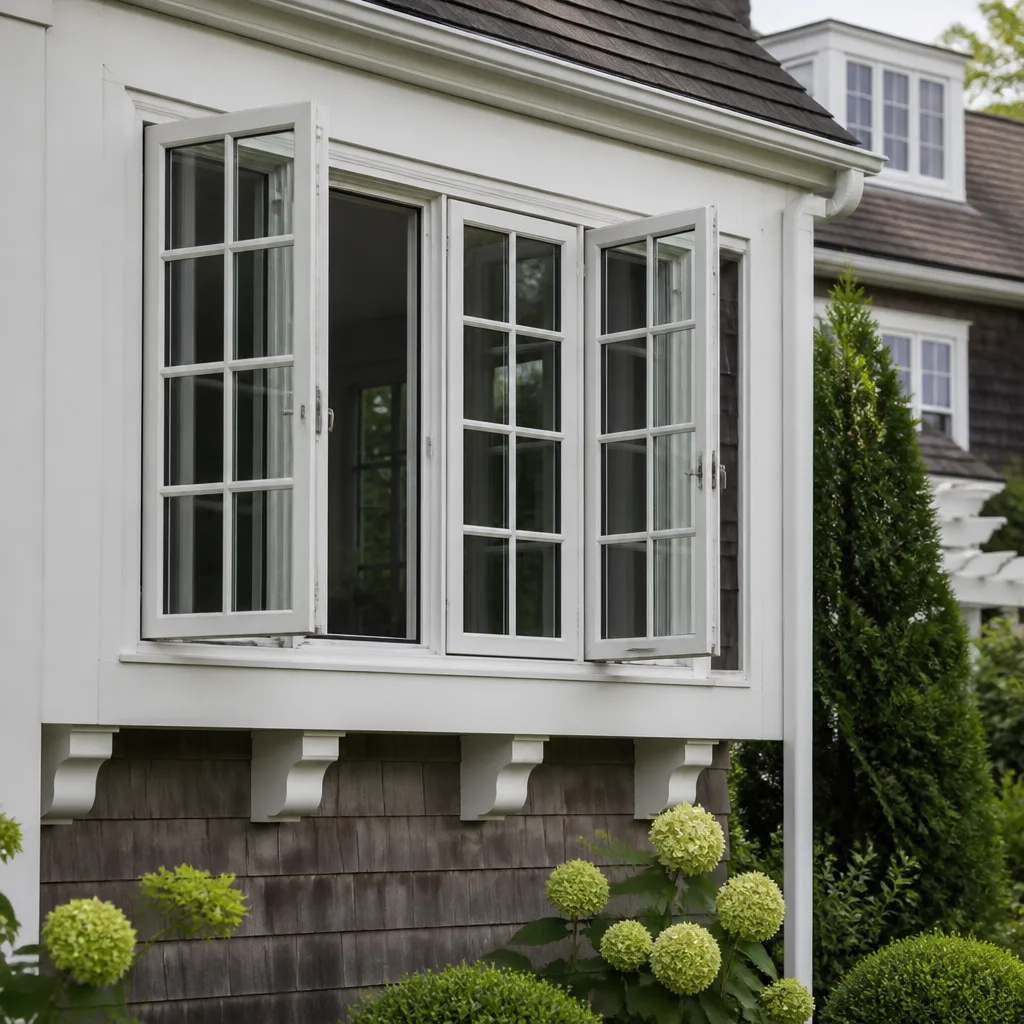
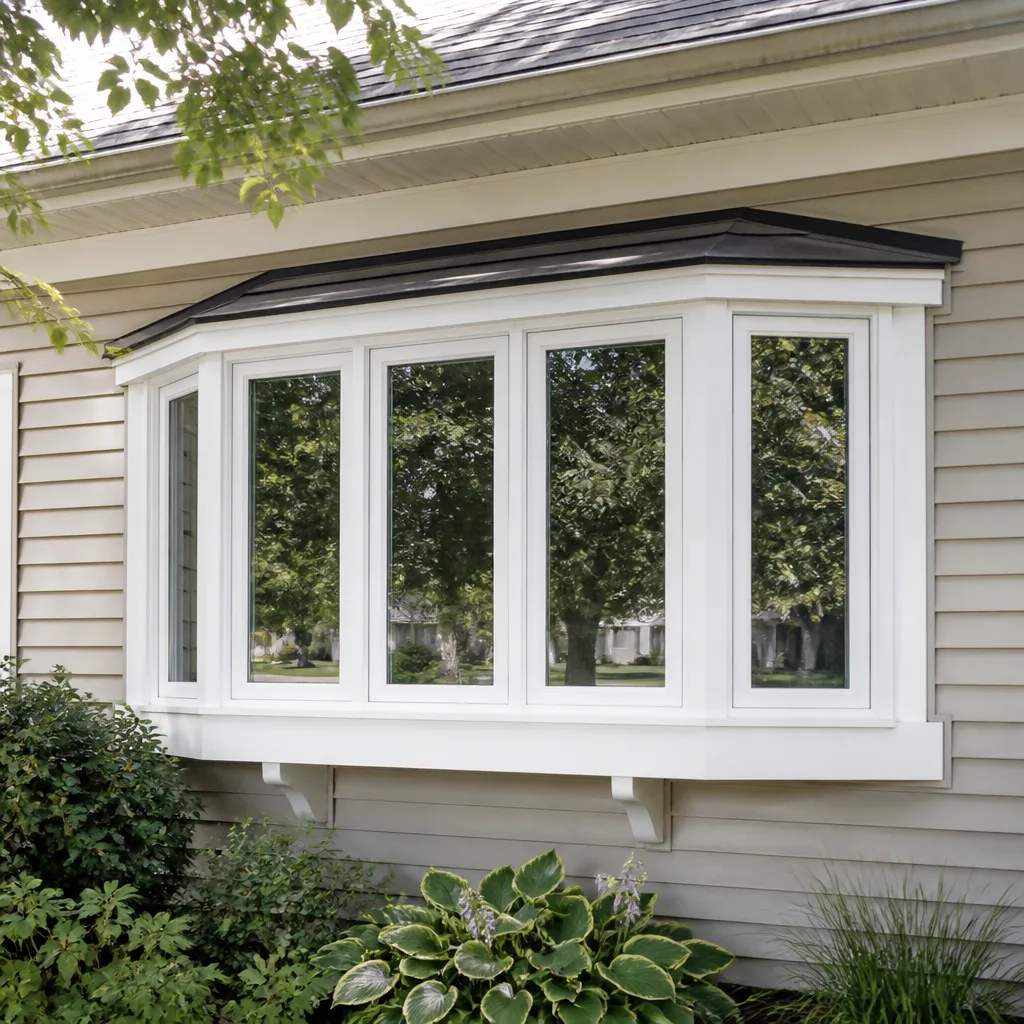
Sliding glass doors
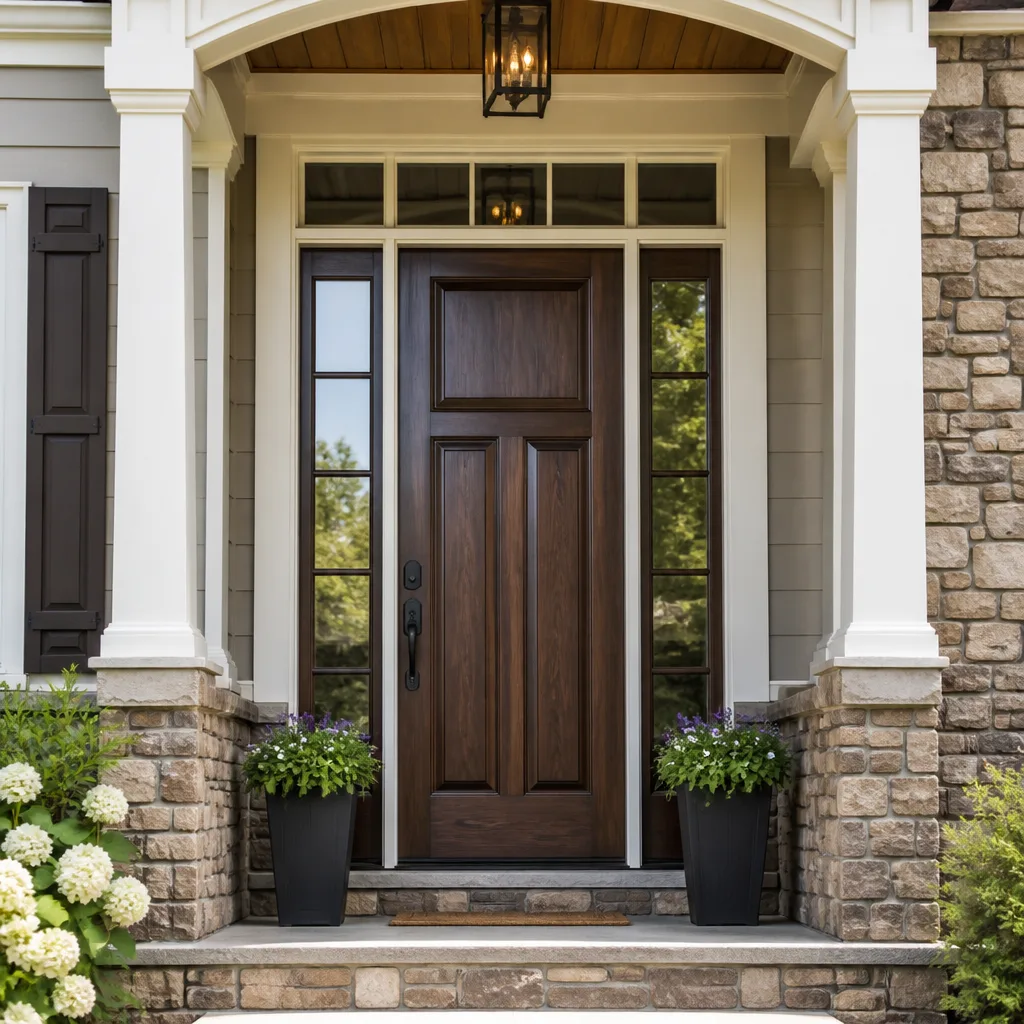
Impact garage doorsPGTCGI
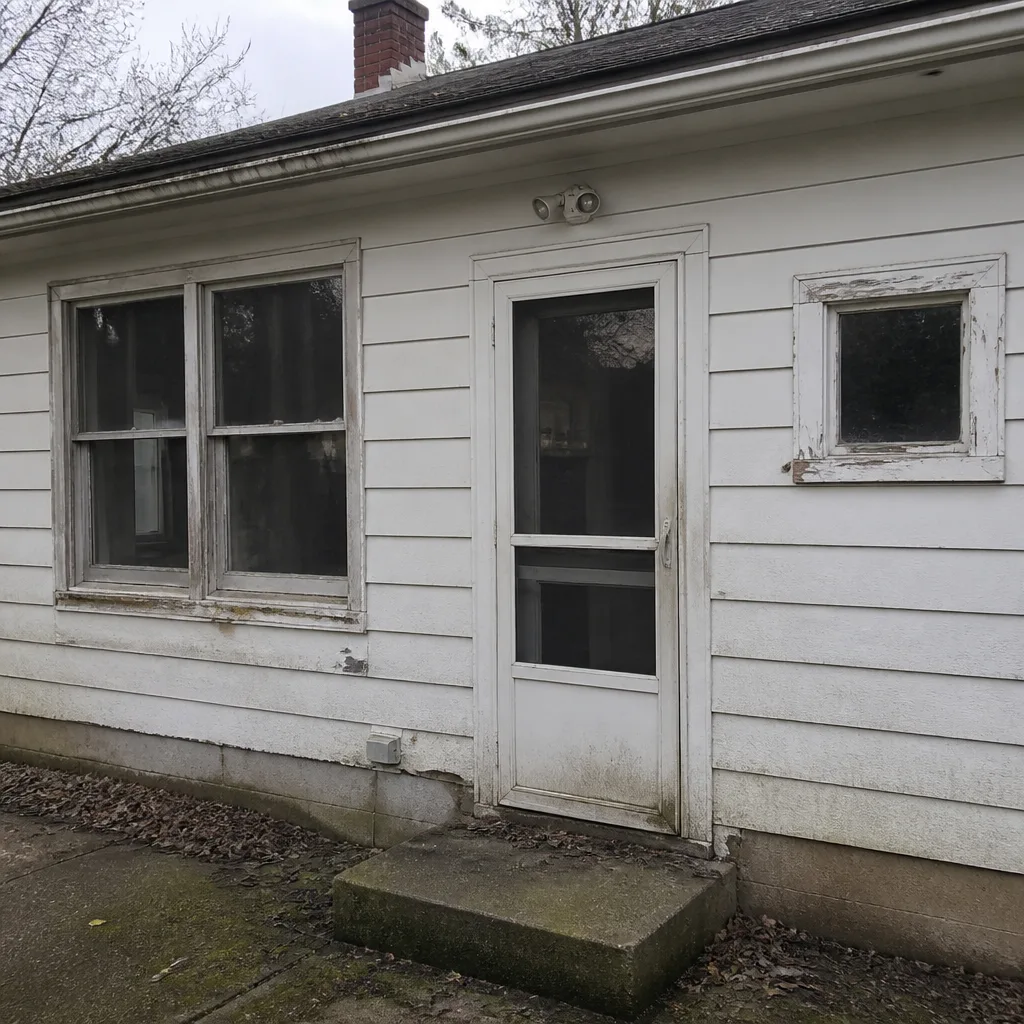 Before
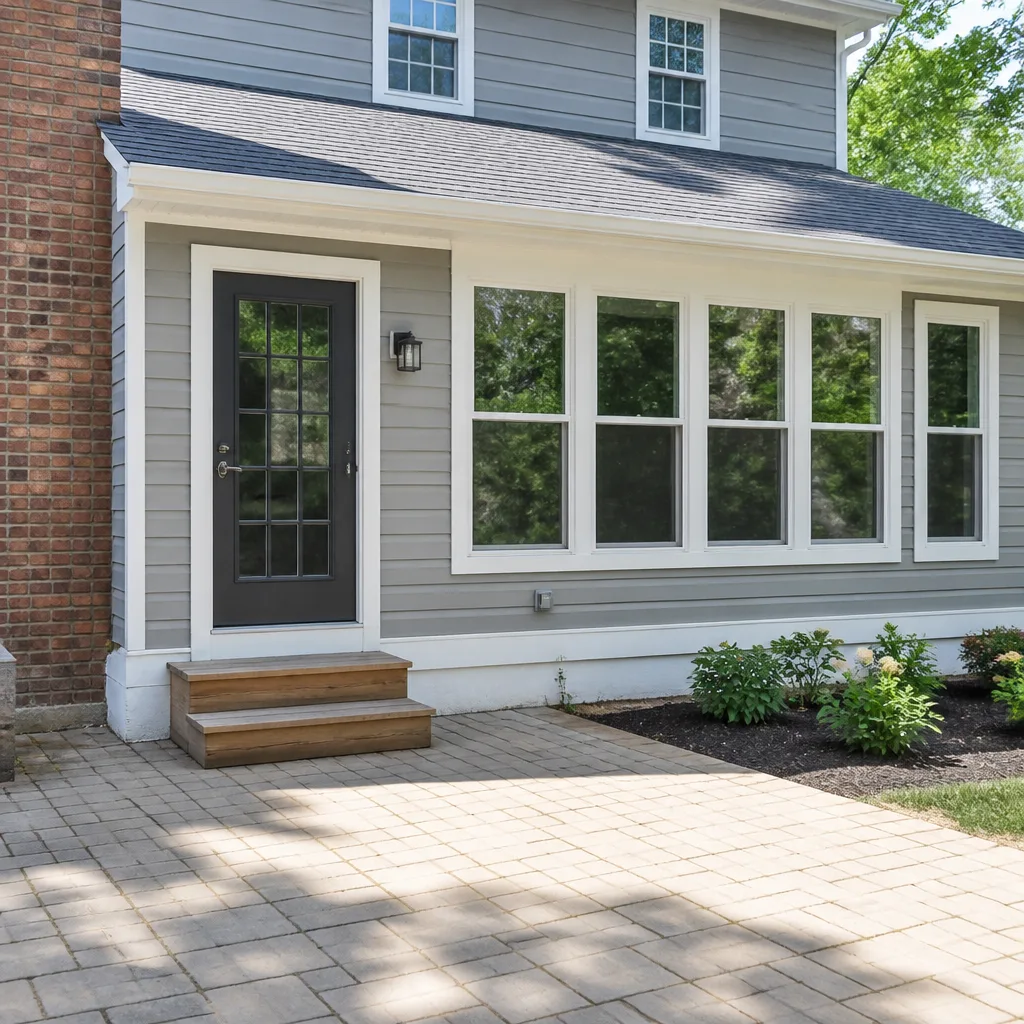 After
After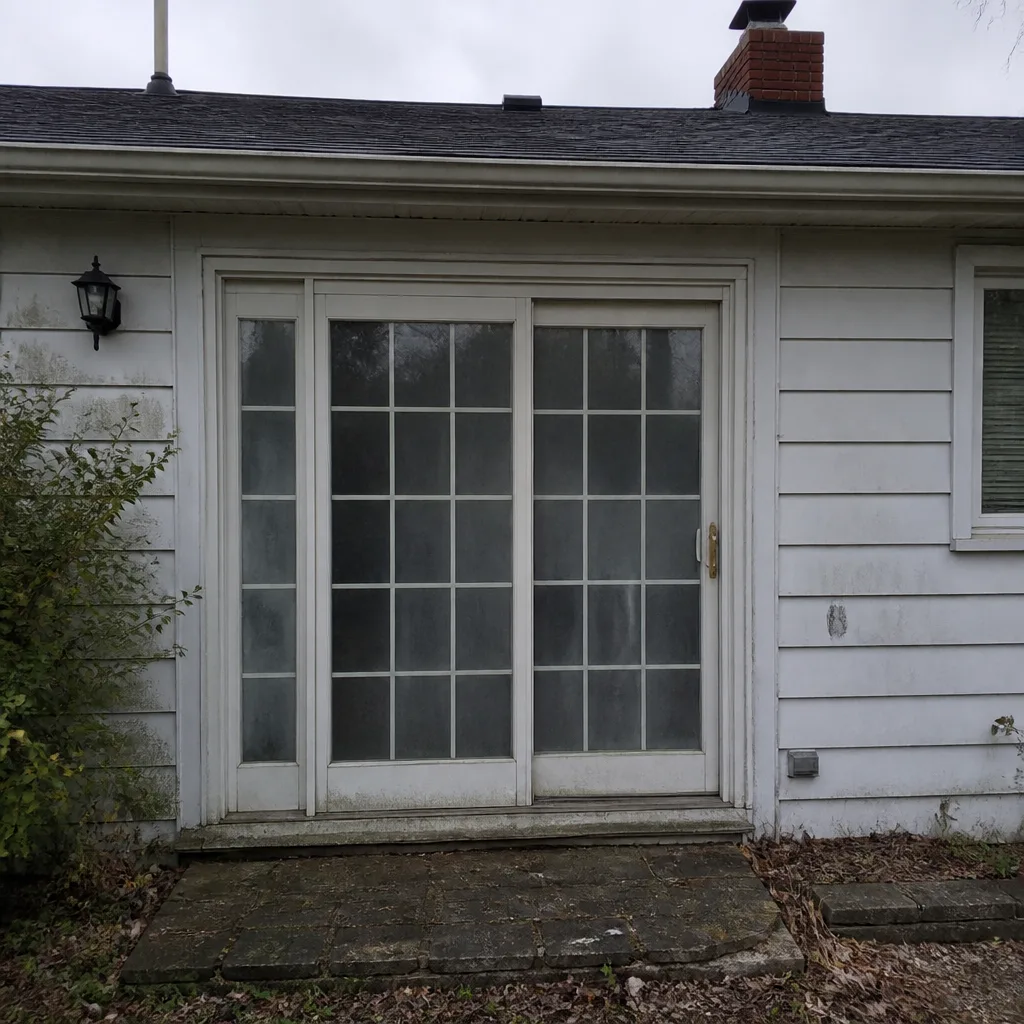 Before
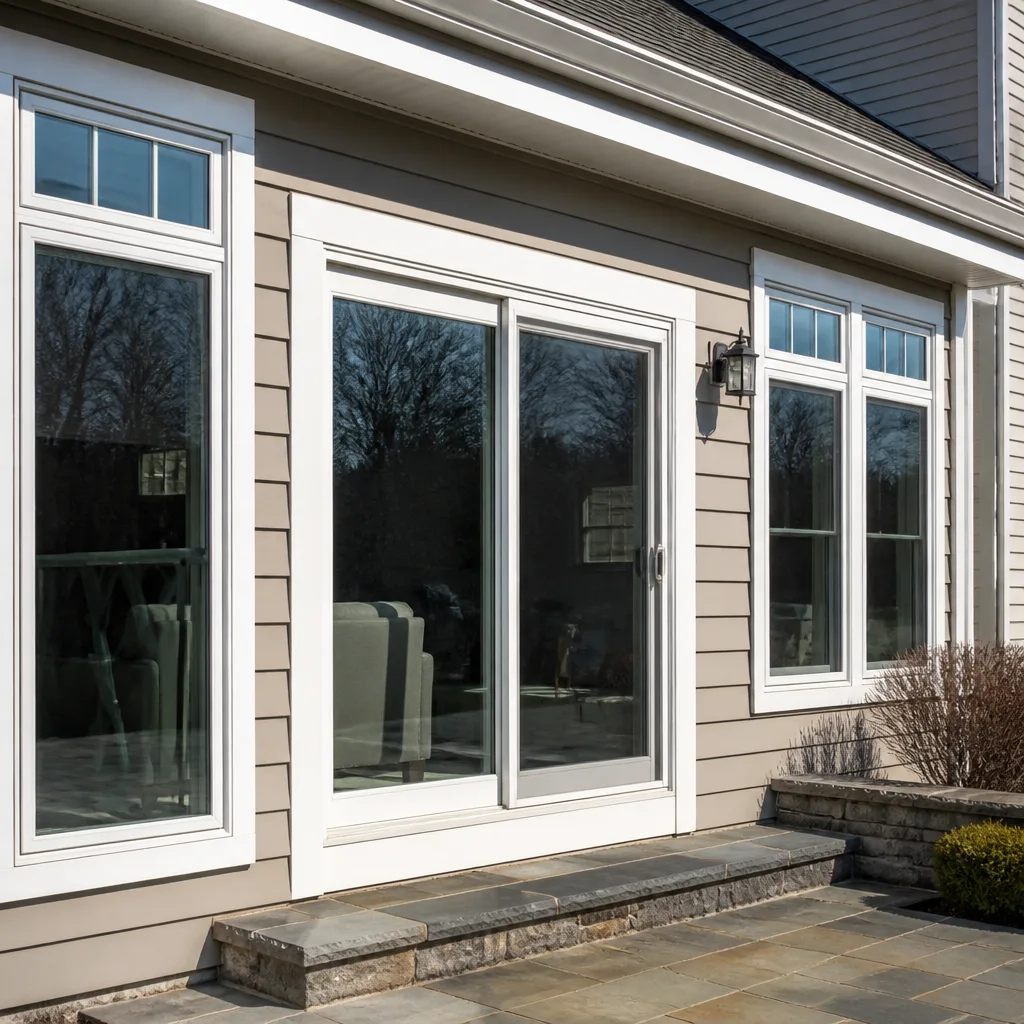 After
After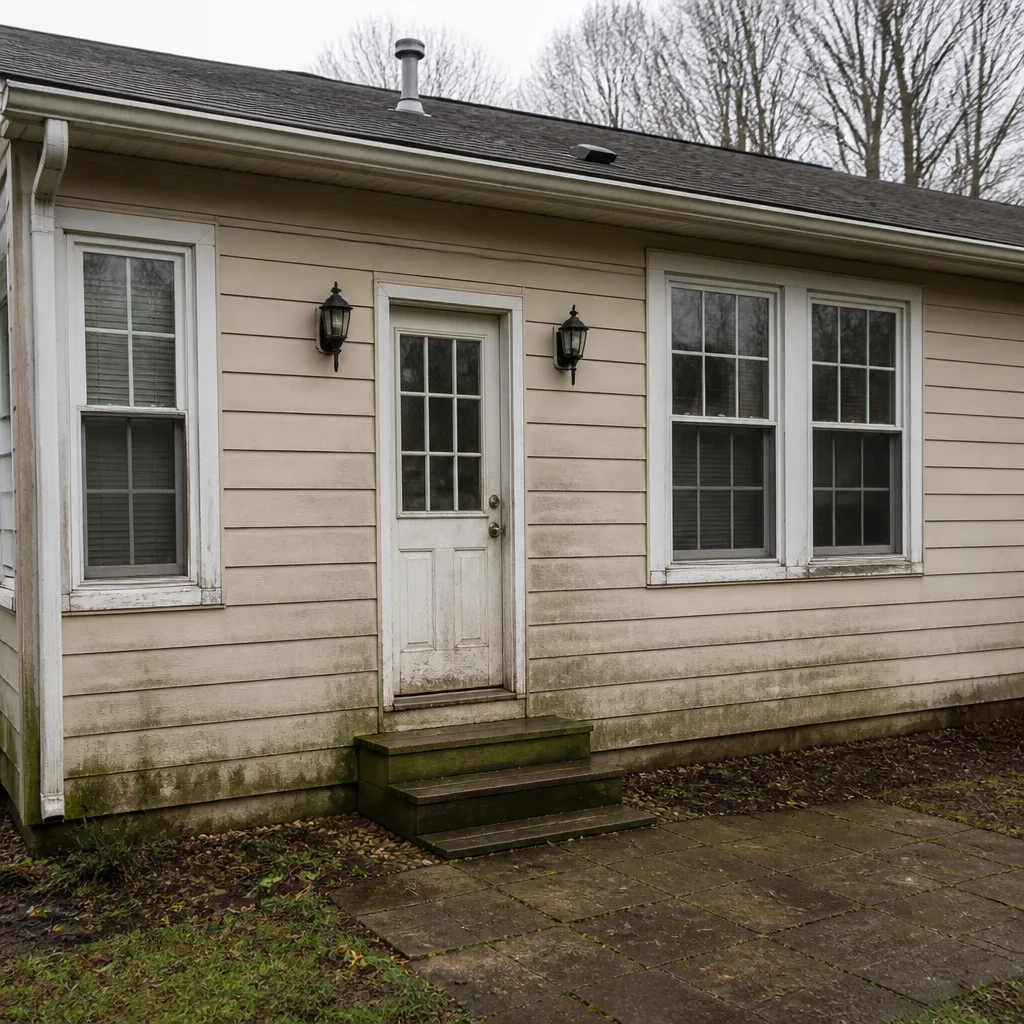 Before
 After
AfterThe Complete Impact Windows & Doors Guide for Columbus Homeowners
Ohio ranks in the top 15 states for hail storm frequency, and Franklin County alone logs thousands of wind-damage claims each year. A standard double-pane window that survives a Central Ohio hailstorm largely by luck is a different proposition than one rated to withstand impact - a distinction most window guides written for coastal markets never address. Columbus homeowners are not preparing for a Category 5 hurricane. They are preparing for the April hailstorm that cracks a picture window, the July microburst that throws a tree branch through a patio door, and the break-in attempt that tests the glass on a back door at 2 a.m. This Complete Window Installation Guide for Columbus Homeowners explains impact windows and doors for the Ohio use case, not the Florida one - because the products, ratings, and insurance math that matter here are not the same.
Quick Answer
Impact Windows & Doors services in Columbus Ohio use laminated-glass units built to withstand high winds, flying debris, and forced entry without shattering. They typically cost $900 to $2,400 per opening installed, and many Ohio insurers offer premium credits when the units meet ASTM E1996 ratings and are documented correctly. For Central Ohio homeowners, the real value is hail resistance, break-in deterrence, and insurance savings - not hurricane protection.
Table of Contents
- What Impact Windows and Doors Actually Are
- Why Columbus Homeowners Buy Impact Glazing
- Understanding Impact Ratings: What Applies in Ohio
- How Ohio Insurance Carriers Handle Impact Credits
- Security and Break-In Resistance: The Non-Weather Case
- Frame and Glazing Options in Plain Language
- Installation Differences: Why Structural Anchoring Matters
- What Impact Windows Cost in Columbus
- Common Mistakes to Avoid
- When to Call a Professional
- Frequently Asked Questions
- The Bottom Line
What Impact Windows and Doors Actually Are
Impact windows and doors use laminated glass - two panes bonded to a clear interlayer of polyvinyl butyral (PVB) or a similar polymer. When something strikes the glass, the outer pane may crack, but the interlayer holds the broken pieces in place like a windshield. The window stays in the frame. The opening stays sealed. Nothing flies through into the house.
In our experience, homeowners often confuse impact glass with tempered glass or with the storm shutters you see on coastal houses. Tempered glass is heat-treated to break into small cubes instead of sharp shards - it is safer if it breaks, but it still breaks. Storm shutters are a separate covering installed over the window before a storm. Impact glazing is neither. It is the glass itself doing the protecting, all year, with no action required from you.
Impact units are tested and labeled as complete assemblies: glass, frame, hardware, and anchoring system together. That matters because a laminated pane set into a frame that cannot hold it under load is not an impact window, whatever the sticker says. The whole unit carries the rating, not just the glass.
Key takeaways:
- Impact glass is laminated, not tempered - the interlayer holds broken glass in place.
- The entire window assembly is rated, not just the pane.
- No shutters or storm coverings required: protection is always active.
Why Columbus Homeowners Buy Impact Glazing
Central Ohio does not get hurricanes, so when a Columbus homeowner asks us about impact windows, the conversation rarely starts with storm surge. It starts with hail. Franklin County sits in a hail belt that stretches from the Plains across the Ohio Valley, and spring storms regularly drop golf-ball-size ice onto rooftops and window glass. A standard insulated glass unit takes that hit in one concentrated spot. Impact glass spreads the energy across the laminate.
The second reason is forced entry. A burglar with a hammer or a pry bar can defeat a standard window in seconds. Impact glazing resists repeated blows long enough that most attempts are abandoned - and the noise alone is a deterrent.
The third reason is windborne debris from the straight-line winds and microbursts that roll through Columbus neighborhoods like Clintonville, Westerville, and Grove City. A 70-mph gust snapping a branch off a maple tree and throwing it at a sliding door is a real failure mode here. Impact-rated doors take that hit and stay closed.
The fourth reason is quieter: insurance. More Columbus carriers have started writing premium credits for impact-rated openings, and homeowners who plan to stay in their house for another twenty years do the math and realize the discount compounds.
If you are considering replacement windows generally, our Window Replacement in Parkway page covers the full range of options, including when impact glass is and is not worth the upcharge.
Understanding Impact Ratings: What Applies in Ohio
Impact products are tested to standards set by ASTM International and, in coastal markets, by the Miami-Dade County building code. The key designations:
- ASTM E1886: the test method that simulates windborne debris impact and then cycles pressure on the assembly.
- ASTM E1996: the standard that sets what size and speed of missile gets fired at the glass, based on wind zone.
- Miami-Dade NOA: a product approval that certifies compliance with the South Florida building code - the strictest in the country.
Here is what Columbus homeowners need to understand: Miami-Dade certification is built for a 140-mph hurricane. Ohio building codes reference wind speeds far lower - Franklin County sits in a 105-mph design wind zone per the Ohio Building Code, which adopts ASCE 7 wind maps. An ASTM E1996 Missile Level C test, which fires a 2×4 at the glass at 50 feet per second, approximates the debris load in a Category 3 storm. Central Ohio’s windborne debris is typically smaller and slower: hail, asphalt shingle fragments, small branches.
So do you need Miami-Dade-rated windows in Columbus? No. But products that carry that rating have already passed a test far beyond what Ohio weather will throw at them, and many manufacturers only build their best laminated glass into the Miami-Dade product lines. The practical takeaway: you do not need to pay for a Miami-Dade NOA specifically, but buying a product with an ASTM E1996 rating is the minimum if you want the insurance credit and the real-world hail performance. Products from manufacturers like PGT and CGI, which TruePane installs, carry both ASTM and Miami-Dade ratings on the same lines.
How Ohio Insurance Carriers Handle Impact Credits
Ohio insurance carriers do not market impact-window credits the way Florida carriers do, because the state does not mandate them. But credits exist. Homeowners who push for them, with the right paperwork, often see a premium reduction of 5% to 15% on the wind or hail portion of the policy. The realistic offset depends on the carrier, the policy structure, and the age of the home.
What insurers require in Ohio:
- Proof of rating. A written statement from the manufacturer or installer identifying the product line and the ASTM E1996 (and Miami-Dade, if applicable) rating for each opening.
- Installation documentation. The carrier wants to know the units were installed to the manufacturer’s structural anchoring specification - not just dropped into the existing frame.
- Coverage scope. Many credits apply only when all exterior openings are protected: every window, every door, including the door from the garage into the house.
- Renewal documentation. Some carriers ask for updated documentation at policy renewal, which is why the warranty registration step matters.
Here is what we have seen in Franklin, Delaware, and Licking counties: the credit is real but not automatic. The homeowner who files a claim without the right paperwork gets denied. The homeowner who has the rating letter, the install spec, and both warranty layers in writing gets the credit applied. This is exactly why TruePane’s Keystone Standard includes registering both manufacturer warranty layers - glass and frame - in writing, with durations stated, before the crew leaves the driveway. The insurer needs that paper trail, and so do you.
Security and Break-In Resistance: The Non-Weather Case
For many Columbus homeowners we talk to, weather is the secondary motivation. Security is the primary one. Impact glazing delays forced entry in ways that standard glass does not.
Consider the typical residential break-in: the intruder targets a rear window or a patio door, tests it with a hammer or a boot heel, and expects the glass to break within two or three blows. Standard annealed glass fails on the first hit. Tempered glass fails on the first or second. Impact glass absorbs repeated strikes - the interlayer stretches and holds, and the attacker is left hammering a web of cracked glass that refuses to give way. Most burglars abandon the attempt after several seconds and move on, because time and noise are their enemies.
Sliding patio doors are the single most common forced-entry point in Central Ohio homes, and an impact-rated sliding door with a multi-point lock changes the risk profile of the entire back elevation. We have had customers in Hilliard and Dublin tell us the impact door was the deciding factor after a break-in on their street.
One specification to look for: the interlayer thickness. Entry-grade impact glass uses a 0.015-inch PVB interlayer. Better security-oriented products use 0.060-inch or thicker, often with a PET composite interlayer that resists knife cuts. Ask for the interlayer spec in writing, not just the word “impact.”
Frame and Glazing Options in Plain Language
Impact windows come in the same frame families as standard replacement windows - vinyl, aluminum, wood, and composite - with one structural difference: the frame profiles and the glazing channel are built to carry a heavier glass pack and transfer load to the wall. Here is the plain-language version of what you will be choosing between:
Glazing constructions:
- Laminated single-glazed: one lite of laminated glass. Thinnest, lightest, least insulation. Rarely the right choice in Ohio’s winters.
- Laminated with insulating airspace: a laminated outer lite, an air or gas-filled cavity, and a second inner lite. This is the common configuration for impact windows in Ohio - impact protection plus real thermal performance.
- Triple-pane with laminated outer lite: maximum insulation and impact performance. Higher price, heavier unit, best comfort in older Columbus homes with drafty walls.
Frame materials:
- Vinyl: the most common in Central Ohio. Good thermal performance, moderate cost, and the frames on impact-rated vinyl units are reinforced internally to meet anchoring requirements.
- Aluminum: strong, thin sightlines, popular in mid-century Columbus homes. Thermally broken aluminum is the only aluminum we recommend for Ohio’s temperature swings.
- Wood and wood-clad: the premium option for historic districts like German Village and Victorian Village, where exterior appearance matters. Andersen, Pella, and Marvin all build impact-rated wood-clad lines that meet historic commission requirements.
Interlayer types:
- PVB (polyvinyl butyral): the industry standard. Good impact absorption, proven over decades, slight green tint in some lights.
- SGP (SentryGlas Plus): a stiffer ionomer interlayer that holds glass in place under higher loads and offers better clarity. Used in the most demanding impact products.
- PET composites: layered polyester films for cut-resistant, security-focused applications.
TruePane quotes manufacturer lines side by side on paper - you see the glass pack, the interlayer thickness, the frame construction, and the warranty terms for each option before you spend a dollar. For the full range of standard window work in Columbus, our Window Installation in Parkway page walks through the process.
Installation Differences: Why Structural Anchoring Matters
An impact window is only as good as its anchoring. This is the part of the impact-window purchase that most Columbus homeowners never hear about, and it is the part that separates a window that protects the house from one that becomes a missile itself under load.
A standard replacement window is typically set into the existing opening with shims and fasteners through the nailing fin or the frame jambs, then trimmed and sealed. The window holds itself up; the seal keeps water out. An impact window does all of that but also transfers load - from wind pressure, from debris impact, from someone trying to kick it in - into the structural framing of the house.
That requires:
- Specified fastener spacing. Manufacturers publish anchor schedules for impact units: fastener type, diameter, embedment depth, and spacing along the jamb and head. These spec sheets matter. An installer who uses generic screws on 16-inch centers on a window rated for anchors on 6-inch centers has invalidated the rating.
- Strap or clip anchoring for masonry openings. Many Columbus brick homes require anchoring through the brick veneer into the structural wall behind it. Cutting corners here is how impact windows end up pulled clean out of a brick opening during a severe storm.
- Sealant continuity. Impact units rely on a continuous sealant joint to resist driven rain and pressure differential. The sealant spec is part of the system, not an afterthought.
- Flashing and drainage. Columbus winters mean freeze-thaw cycling, and Central Ohio summers bring humidity. Impact windows that are properly flashed and drained last decades. Ones that are not fail at the sill within a few years, impact rating or no impact rating.
This is why we measure every opening twice, why we check the structural framing behind the trim, and why we register both warranty layers before the truck leaves the driveway. If the pane is not true, the job is not done. For door-specific work, see our Door Installation in Parkway page.
What Impact Windows Cost in Columbus
Impact windows in Columbus Ohio run between $900 and $2,400 per opening installed, with the average mid-range vinyl impact window landing around $1,300 to $1,600. Impact-rated sliding doors start around $2,500 and run past $6,000 for large multi-slide units. These are installed prices including the anchoring, flashing, and warranty registration - not the bare unit cost you will see on a supply-house shelf.
Typical per-opening installed ranges in Franklin County:
- Vinyl impact double-hung: $900-$1,500
- Vinyl impact casement: $1,000-$1,700
- Aluminum impact picture window: $1,200-$2,200
- Wood-clad impact double-hung (Andersen, Pella, Marvin): $1,800-$3,200
- Impact sliding patio door: $2,500-$5,000
- Impact French door: $3,000-$6,500
- Full-house retrofit (10-14 openings, vinyl, mid-range): $14,000-$24,000
Variables that push the price up in the Columbus market: brick veneer anchoring, second-story installation, custom sizes in older Clintonville or Bexley homes, and wood-clad exteriors that historic commissions require. Variables that keep the price down: standard sizes, first-floor openings, vinyl frames, and doing the whole house in one mobilization.
TruePane writes fixed, line-item quotes. No change orders, no surprise line items at the end of the job. That is the square deal we have run on since the company was founded. Call (888) 635-0804 and we will price your openings on paper, side by side, so you know exactly what you are buying.
Common Mistakes to Avoid
- Buying “impact glass” without checking the assembly rating. A laminated pane in a standard frame is not an impact window. The entire unit must carry the ASTM E1996 rating.
- Skipping the anchoring schedule. An installer who skips the manufacturer’s fastener spec has voided the rating and the warranty, and the homeowner may not learn that until a claim is denied.
- Assuming the insurance credit is automatic. Ohio carriers require documentation. No paperwork, no premium reduction - and you will not know until after the storm.
- Paying Miami-Dade prices for a Columbus application without understanding why. Miami-Dade certification is meaningful, but you may not need the full NOA product line. An ASTM E1996 rated unit at the right wind zone is usually the better-value choice in Central Ohio.
- Ignoring the door from the garage into the house. For insurance credits and for real-world protection, every exterior opening counts - including the one homeowners forget about.
- Choosing the cheapest bid on a structural product. Impact windows are not a commodity. Installation quality determines whether the rating means anything at all.
- Not registering the warranty in writing. If the warranty is not on paper, it does not exist. Get both layers - glass and frame - registered with durations stated.
When to Call a Professional
Impact window and door installation is not a weekend project, and it is not a job for a handyman who has never read an anchoring schedule. Call a professional when you are replacing more than one opening, when your home has brick or stone veneer, when you are seeking an insurance credit, or when the existing openings show signs of water intrusion. Call a professional when the job involves glass that is supposed to protect your family from flying debris and forced entry, and see our more guides & resources for additional homeowner information. TruePane Windows & Doors offers free estimates in Columbus - call (888) 635-0804. A live person answers the phone, day or night.
Frequently Asked Questions
You do not need them by code, but many Columbus homeowners choose them for hail resistance, break-in deterrence, and insurance credits. Central Ohio sits in a hailstorm belt, and impact glass handles golf-ball-size hail far better than standard double-pane units. For The Complete Window Replacement Guide for Columbus Homeowners and a free estimate, call (888) 635-0804 and we will help you decide whether impact glass is worth the upcharge for your specific house.
Impact windows in Columbus typically cost $900 to $2,400 per opening installed, with impact sliding doors starting around $2,500. The total depends on frame material, glass pack, size, and whether the openings need brick-veneer anchoring. Call (888) 635-0804 for a fixed, line-item quote on your exact openings.
Many Ohio insurance carriers offer premium credits of 5% to 15% on the wind and hail portion of the policy when all exterior openings carry ASTM E1996-rated impact glazing and the installation is properly documented. The credit is not automatic - you need the rating letter, the install spec, and the warranty registration in writing.
Impact glass is laminated, with a polymer interlayer that holds broken pieces in place after impact. Tempered glass is heat-treated to break into small cubes, which is safer than sharp shards but still leaves the opening unprotected. Impact glass stays in the frame; tempered glass does not.
No. Franklin County falls in a 105-mph design wind zone, well below the 140-mph hurricane standard Miami-Dade certification assumes. An ASTM E1996 rating with the appropriate missile level is sufficient for Central Ohio hail and wind loads. Products that also carry Miami-Dade approval offer extra headroom but are not required.
Most impact window replacement projects in Columbus take one to three days depending on the number of openings and whether brick anchoring is required. TruePane completes most jobs in a single visit, measures every opening twice, and registers both warranty layers before the truck leaves the driveway. Call (888) 635-0804 for a timeline on your specific project.
The Bottom Line
Impact windows and doors make sense in Columbus for reasons most coastal-market guides never address: hail resistance, break-in deterrence, and insurance credits that compound over the twenty years you plan to stay in your house. The products are not cheap, but neither is replacing a shattered picture window after every spring storm, nor is the break-in that an impact-rated patio door would have stopped. The key is buying an assembly - glass, frame, and anchoring together - not just a sticker that says “impact.” Get the rating in writing. Get the anchoring done to spec. Get both warranty layers registered. TruePane Windows & Doors has served Columbus since 2008, and we stand behind the work, the warranty, and the promise. Call (888) 635-0804 to schedule a free estimate. Learn more about TruePane Windows & Doors home services or reach out directly through the number above.
Written by Dale Kessler, Owner at TruePane Windows & Doors, serving Columbus since 2008.